LOADING
Don’t have an account?
Become a memberYou don’t have access to this content
Even though you have a membership, your current role does not grant access to this content. Please contact support if you believe this is an error or if you need assistance.
Trending Searches
Join our email list
Keep up to date with the latest news & events.
Fostering Independence: Why Autonomy Matters
Season 2 | Episode 12
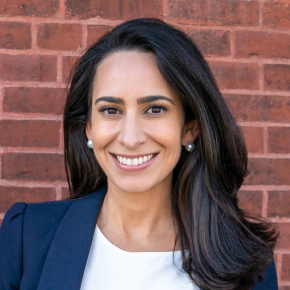
with Nicole Coman and William “Biff” Maier
What does it really mean for a child to become independent?
For many parents, independence means tying shoes, getting dressed, or completing tasks without help. But in this conversation, Biff and Nicole explore a deeper question: What if true independence is about more than doing things alone? Drawing on Montessori philosophy, they examine how autonomy, choice, responsibility, and thoughtfully prepared environments help children develop the confidence and self-direction they’ll carry throughout life.
Together, they discuss:
- Why autonomy goes beyond simple independence
- How adults unintentionally undermine children’s independence
- The importance of patience and allowing children time to do things for themselves
- How prepared environments encourage confidence and self-direction
- Why offering meaningful choices builds agency
- Goal-setting, executive functioning, and the power of initiation
- Intrinsic motivation versus rewards
- How Montessori classrooms balance freedom with clear expectations
- Why learner-centered education depends on structure, not simply freedom
At the heart of the conversation is a hopeful reminder: independence isn’t something adults can give children—it grows when we create the conditions for children to make choices, solve problems, and gradually take ownership of their own lives. By stepping back just enough, we give children the opportunity to step forward.
00:00:02:14 – 00:00:21:06
Biff
Welcome to Educating the Human Potential, where we explore how to optimize education for a better society with a montessori perspective. My name is Biff Mayer, and I’m here with my co-host Nicole Coleman. Today we are talking about fostering independence in children, right?
00:00:21:07 – 00:00:36:06
Nicole
So today we’re going to be talking about a topic that I think will appeal, certainly to teachers, parents and everyone in between. It’s a question I get asked quite often how do we foster independence in children?
00:00:36:07 – 00:00:41:06
Biff
I mean, we can talk about the importance of independence at all levels, right?
00:00:41:07 – 00:01:05:11
Nicole
Sure. It’s a question I get asked often from from parents in my practice. How can I make my child more independent? I don’t want to do all these things for them, I want them. How early is too early to get my child becoming or doing things independently? So. And I think I’m interested to hear what you have to say, because I happen to know and you are the expert in this.
00:01:05:11 – 00:01:10:15
Nicole
But Montessori is all about independence from a very, very young age.
00:01:10:17 – 00:01:16:19
Biff
Well, I think you might want to ask yourself, why do we want children to be independent?
00:01:16:21 – 00:01:19:09
Nicole
I mean, I know the answer to that question for myself, but.
00:01:19:10 – 00:01:24:06
Biff
I mean, it could be that we want our children to be independent so we don’t have to do things for them.
00:01:24:09 – 00:01:27:05
Nicole
That’s the answer to my question.
00:01:27:07 – 00:02:01:06
Biff
We want them to be their own laborers. But I actually think that more important is we want children really to be autonomous more than we want them to be independent. I think of the word independent as meaning that you can do it yourself, right? Doctor Montessori talked a lot more about autonomy. She talked about self-guided education, self-guided living, really.
00:02:01:06 – 00:02:20:09
Biff
So she was interested in autonomy. And I think that includes independence. But there’s more of a there’s more of an aspect of responsibility in, in autonomy, I think, than there is an independence on, on its own. So I would like to kind of link those two terms together.
00:02:20:10 – 00:02:53:13
Nicole
Yeah, I could see that when I think about independence and the importance of independence in young children, I think about I think about what what that provides for the child themselves. Right. That it must be so satisfying to know that you’ve tried to do it yourself, that you can. You were successful eventually. I’m sure there’s trial and error, whatever the task might be, but the kickback from it, from being independent or doing it yourself when you’re a child and you’re still figuring things out, is is something very powerful, I think.
00:02:53:14 – 00:02:56:12
Nicole
And it’s a it’s a powerful lesson that you’re teaching your child early on.
00:02:56:13 – 00:03:18:15
Biff
Yeah. This sounds this may sound silly, but it seems to me like their stages, stage one might be that you find that you can do it for yourself, and then stage two is when you realize that you can do it for yourself, but you don’t want to because you’d rather make somebody else do it.
00:03:18:17 – 00:03:19:23
Nicole
Sure. Okay.
00:03:20:00 – 00:03:32:15
Biff
And then stage three is when you take charge of your life and you think, I can do this myself? I don’t want to be reliant on other people, so I’ll take care of this on my own.
00:03:32:16 – 00:03:51:02
Nicole
I think I think everybody goes through those stages, right. Like, I think that it kind of it kind of loops itself around, right? Because you’re right. You start, you figure out you can do it on your own and there’s some satisfaction in that. Right? And then you later on, you’re learning that I don’t actually have to do this on my own because somebody else can do it for me.
00:03:51:02 – 00:03:53:20
Nicole
And it’s actually not that satisfying to do this on my own.
00:03:53:21 – 00:03:59:07
Biff
And in fact, it is satisfying to manipulate other people and getting and getting them to do it for me.
00:03:59:08 – 00:04:22:18
Nicole
Sure. I mean, or just having someone take care of it for you, but yeah, sure. And then and then coming back to knowing that you have that autonomy, right? And you have that ability to take care of things on your own. Right. So it’s an interesting cycle. I think, you know, one thing, when I was preparing for this particular topic, one thing I was thinking about to share with our listeners.
00:04:22:19 – 00:04:50:17
Nicole
And so and I think you and I can kind of go back and forth from a, you know, you to represent the educators standpoint. Maybe me parenting child development standpoint is how do we encourage parents to foster independence? Like, what are some ways that we can allow for our children? And I’m thinking young children, right. I think when I think about, you know, we’re building independence, you know, from ground up, I’m thinking young, young children, so like toddler age ish.
00:04:50:18 – 00:04:59:13
Nicole
But maybe we can share with our listeners how, you know, what are some ways. Anything coming to my I mean, I have I have a few ideas.
00:04:59:14 – 00:05:28:14
Biff
Well, let me respond to that first because I, I mean, I think what we usually end up talking to parents about is how they undermine independence, because there’s such a drive in children to be independent and to take care of things for themselves, especially when they’re very young, that you don’t really have to do much except provide the opportunity.
00:05:28:17 – 00:05:30:05
Nicole
And be patient.
00:05:30:05 – 00:05:31:07
Biff
And be patient.
00:05:31:07 – 00:05:33:04
Nicole
I think that’s the number one thing.
00:05:33:05 – 00:06:22:22
Biff
And they will take care of them things for themselves. But there is such a temptation for adults to bail kids out as soon as something looks hard or to or to reaffirm in the child their dependency. You know it. There’s something satisfying for grown ups to feel like they’re indispensable. And so I don’t know. I mean, I think that one of the one of the big learning moments for for parents who take their kids to school or to childcare anywhere, a learning moment is when they realize that it is in their child’s best interest to have that patience and to let them do things for themselves.
00:06:22:22 – 00:06:23:21
Biff
And that.
00:06:23:23 – 00:06:44:13
Nicole
I couldn’t agree more. Sorry, I didn’t mean to cut you out. I couldn’t agree more. One of the things I wrote down in my notes is, and I underlined this word because I think it goes along with what you’re saying with patience is give the child the time to be independent. Right. You know, as parents were just always on the move, probably overwhelmed.
00:06:44:14 – 00:07:06:03
Nicole
Lots going on. We have time schedules, and that’s easier said than done to give your child the time to be independent, right? Because sometimes we don’t have the time to allow for them to do that. But but truly, if it’s if it’s if it’s a skill that we want our child to learn, making the time to allow for them to try and to be independent is is huge.
00:07:06:04 – 00:07:09:09
Nicole
And I think also very difficult. What are your thoughts?
00:07:09:11 – 00:07:54:03
Biff
I mean, the classic scene for that I think of in this regard is the parent who arrives with their child. They’re a little bit late. Most of the kids are already in the classroom. You know, often it’s a toddler. And so the parent walks the child into the to the hallway and anxious because their child is in the hallway, still with the jacket on and a backpack and shoes, and the other kids are in the classroom, the parent quickly takes off the kid’s shoes and takes off the backpack and takes off the the jacket and hangs them up and then ushers them into the room and says, I hope you have a good day at
00:07:54:03 – 00:08:02:19
Biff
school. And really, they have just sabotaged some of the most important work that this child had to do at school.
00:08:02:20 – 00:08:27:20
Nicole
So can I stop you there? Because I want you to be able to share with our listeners a little bit about that, that maybe aren’t familiar with the Montessori early morning routine, if you will. So you were mentioning that they were still in the hallway with their jacket and shoes. You want to share a little bit about kind of what that routine looks like and the purpose behind it, because again, I think this is a really good point, but the parent took over the whole morning routine and entering into the classroom.
00:08:28:01 – 00:09:16:09
Biff
A big part of the early experience for children is the is the the the exercises of practical life. You know, the things that you do to get through the day. And rather than having those things be somewhat inconveniences that have to get done, they are the work that kids do in order to grow up. And so we prepare an environment in the hallway so that kids have a place that they can comfortably sit, and they can remove their shoes, and they can put their shoes where they go in their cubby, and they can take off their, their jacket, and they are capable of hanging up their jacket on a hook by themselves.
00:09:16:09 – 00:09:22:13
Biff
And they know where it goes, because it’s all set up with a little picture of them and.
00:09:22:15 – 00:09:23:07
Nicole
A visual.
00:09:23:08 – 00:09:51:01
Biff
Yeah. So that they’re so that they have the cues that they need to to succeed at that activity. And so at the beginning of the day when there are there’s a group of children sitting there, you know, they’re watching each other. Some of them sit there with their shoes on and their backpacks on, and they watch about five people get ready to go and go into the classroom, and then they start to do it themselves.
00:09:51:02 – 00:10:00:22
Biff
So that process takes a while, but it is crucially important to their development. So we don’t want to hurry it right.
00:10:00:23 – 00:10:02:15
Nicole
In allowing the time.
00:10:02:16 – 00:10:03:18
Biff
Yeah, right.
00:10:03:21 – 00:10:29:00
Nicole
So we were just talking about giving the child the time to be independent. But then this poses a question, right? So if you yourself are an independent person or you see yourself as an independent person, or you then tolerant of allowing people around you to be independent and allowing for the time to be independent?
00:10:29:02 – 00:10:52:07
Biff
Well, I think if we’re talking about toddlers taking off their shoes, I don’t think they pay any attention to how long it takes somebody else to do it. They’re perfectly willing to let other people be as independent as they want to be. As we get older, I think we get less tolerant of independence and we expect more, more cohesion in the group.
00:10:52:07 – 00:11:27:20
Biff
So when you have in mind the needs of the group, so to speak, it means that you are considering what the what the situation is for the group, what the context is before you make your own personal preference, before you make a decision based on your own personal preference, you’re willing to make the the the needs of the group Trump, so to speak, the the the desires that you have in that moment.
00:11:27:20 – 00:11:56:04
Biff
And that’s an important thing for kids to start thinking about, you know, because I don’t think kids often notice. They, you know, they feel the conflict between what they want and what might be expected in the moment. But unless they sort of embrace the concept of their being by necessity in a community times when you decide that you are secondary.
00:11:56:06 – 00:12:26:16
Biff
Yeah. What everybody needs is more important than what I want right now. You know, it’s a hard one for kids, but I think you can start talking about it from a very early age. And it helps kids actually, ironically, be more independent when they’re capable of of doing that kind of, you know, placing their own desires in priority, you know.
00:12:26:19 – 00:12:27:15
Nicole
Of others.
00:12:27:16 – 00:12:31:10
Biff
Yeah. Prioritizing what others want sometimes.
00:12:31:12 – 00:12:48:22
Nicole
You know, what I think is difficult, though. And you’re right. I mean, this is this is a hard skill to learn. And I think some adults don’t even know how to do this. Right. But for a child to be able to take a step back, notice their environment, notice the needs of the community and the environment, and then making a decision of, do I want to do this for me?
00:12:48:22 – 00:13:08:20
Nicole
Or do I want to do it for everyone else, right, and help out my community? That’s a hard lesson. How do you think? How do you suggest that we teach that or how and when? I say teach that, I mean teach our children to take a step back and notice their surroundings and, and then make those decisions on prioritizing and whatnot.
00:13:08:21 – 00:13:38:18
Biff
Yeah. I mean, I think there are some things that you do quite explicitly, like we ask children when they enter a room, for example, to pause and to look at the room to, as they say, read the room before entering and before filling the room with their own personality. But to read the context, and I think that’s an acquired skill, not something that’s that that kids come into this world knowing how to do.
00:13:38:19 – 00:14:09:23
Nicole
Oh definitely not. I don’t even think that comes online until later. Right. Because if you think about it, and I don’t want to use the word, the term self-centered, but, you know, young children are very self-centered there. They want to meet their needs and wants. Right? I think being able to have the perspective or have the ability to perspective take from others is something that comes online later, and at least in terms of child development, I think that I think that’s a skill that doesn’t come on until mid elementary and even beyond.
00:14:10:00 – 00:14:22:17
Biff
True. But I mean, I think, you know, you get it in bits and pieces. Sure. How many children want to sit cross-legged in a circle for 10 or 15 minutes. Probably not very many.
00:14:22:18 – 00:14:24:07
Nicole
Unless there is a need there. Right.
00:14:24:08 – 00:14:25:11
Biff
Or exactly.
00:14:25:12 – 00:14:26:11
Nicole
I see what you’re saying.
00:14:26:11 – 00:14:27:13
Biff
You may be, you.
00:14:27:13 – 00:14:30:11
Nicole
May point taken bef.
00:14:30:13 – 00:15:01:09
Biff
I mean, I think you, you, you get these moments little by little where you realize that your impulse can in fact be managed in order to get some greater good. And when that greater and sometimes that greater good is the greater good of the community, and sometimes that greater good is different from that. But it does require the bigger, a bigger world in order to start to do that.
00:15:01:09 – 00:15:24:21
Biff
And it sounds like in a way you’re limiting yourself, but in a way you are managing yourself. Which is why I prefer the term autonomy, because autonomy has to do with ruling yourself. And so you’re not you know, we’re not in this alone. We’re in this with everybody else.
00:15:24:21 – 00:15:44:18
Nicole
And that in itself is the lesson we we really should be teaching our kids. It’s not just about you, right? Because independence is independence. But I mean, it’s about we’re all in this together, right? One thing that I learned again while I worked in Montessori schools is when I think about the term Montessori, the first word that comes to mind is independence.
00:15:44:19 – 00:16:14:00
Nicole
Yeah. I mean, those two are synonymous with one another. Maybe you can share with some of our listeners, you know what? What that means, right? And maybe I’ll start what I think it means as the not the Montessori expert in this team, but just, you know, what I loved and both of my children attended Montessori schools when they were younger, and what my husband and I loved so much about that methodology is from a very young age.
00:16:14:02 – 00:16:47:09
Nicole
It allowed our children to make choices in the in a classroom, in an environment, and and that created independence. Right. And that’s what I love about the Montessori method, because when you go into a classroom, you’re not sitting down with a teacher and learning a root lesson in the, in the, you know, in the front of the classroom, and you’re sitting at a desk, you’re moving throughout the classroom, you’re exploring the materials that are in the classroom, and you’re making a decision about what you’d like to work on that particular day, or what series of things you’d like to be able to work on.
00:16:47:09 – 00:17:10:09
Nicole
And, you know, when I started explaining this method to other parents that had no idea about Montessori, they thought, well, what does that mean? Johnny’s just going to sit in the corner and play with blocks all day. And then how is he going to learn how to do math or read or whatever? And I just love that while these children can make those choices at such a young age, the environment is intentional.
00:17:10:09 – 00:17:18:11
Nicole
And so do you want to share a little bit about kind of how, you know, the monetary classroom is created to foster that independence?
00:17:18:13 – 00:17:59:08
Biff
Yeah, I mean, I it is a common myth that that when kids go to a classroom, they can do whatever they want for as long as they want forever. And while you build your autonomy by making choices, that choice making is really carefully scaffolded in an environment that is prepared for it. Because what we are building mostly, I would say in human development, but certainly in Montessori classrooms, what we are building is often autonomous human beings who can succeed in in a culture.
00:17:59:08 – 00:18:38:09
Biff
So and I think we, we scaffold that. We prepare an environment that has specific characteristics that enable choosing and enable independent and independent responsibility. For example, everything is accessible. You don’t have to ask somebody to go get to get stuff for you. You can get it for yourself. And that’s true. From using the bathroom to getting erasers when the erasers run out, you know, you know where those things are and you can take care of things for yourself.
00:18:38:11 – 00:19:06:11
Biff
The another aspect of the preparation of the environment is that the expectations are crystal clear. It’s so important for kids to know what kind of expectations have been set for them. What what does it mean? You know, what are the behavioral expectations? What are the academic expectations? What are the emotional expectations so that the parameters are clear?
00:19:06:15 – 00:19:07:21
Biff
I mean, I think.
00:19:07:23 – 00:19:29:10
Nicole
I jump in there really quickly because I have I have a question about that. What? Why do you think that’s different? Because you’re saying in a classroom these expectations are crystal clear, right? How is that different from a typical classroom? Right. Or a traditional classroom, we’ll call it I’m sorry, how does Montessori do it differently? That’s what I meant.
00:19:29:11 – 00:19:57:06
Biff
I think the main difference is that all all of those expectations happen within the context of choices. So there are choices about everything that they’re doing. I mean, in most classrooms that I’ve ever seen, kids don’t have access to things. They have to everything has to go through the adult. So that gives you a message very clearly. You know that you are this is this environment belongs to the teacher, and you need permission to do everything.
00:19:57:06 – 00:20:48:23
Biff
And that’s not the way our classrooms in Montessori schools operate. You know, the way they operate is that the the teacher prepares them and asks the occupants of the community what they need, and then together, they try to provide that so that everybody can work independently. I think that another thing that teachers are doing is constantly observing the room, because they’re trying to see what is it that what are what’s what in the systems that have been set up, including schedules, including, you know, the, the, the way the physical layout of the room is, what, in all of those areas of the preparation, what isn’t working.
00:20:49:01 – 00:21:22:09
Biff
So the purpose of of teachers observing is to adapt and shift in order to, to make the kids more successful, because we Montessori teachers try to see the the decisions that they make as hypothetical. You know, we create what we think is an environment that will promote independence and will promote autonomy and effective learning. But it doesn’t end there.
00:21:22:10 – 00:21:52:16
Biff
You know, that’s that’s a good thing for day one in September. By day two, you’ve already made some changes based on what you saw in day one. Montessori called that scientific teaching. You know, she was a doctor, she was a scientist. And she said, well, we have to do is take what we know from science and we have to put that into schools so that schools are informed by the observations of the adults.
00:21:52:18 – 00:22:21:20
Biff
Because, you know, in, in traditional education, it’s more like a factory. The, the, the, the schools are designed to produce the products, and the products are the students and the workers are the teachers. So the teachers follow more or less prescribed strategies to produce more or less identical products. At least that’s the theory.
00:22:21:21 – 00:22:29:07
Nicole
And is that what you mean by? Do you mean by. That’s how they change out the materials that are available to the students in the classroom?
00:22:29:08 – 00:22:49:01
Biff
I mean, that’s the theory of the factory model of education, which is what American conventional education is built on. I mean, when you look back at the quotes from some of those early educators, it is shocking the things that they were saying about intentionally turning schools into factories.
00:22:49:03 – 00:22:49:19
Nicole
Oh, I.
00:22:49:19 – 00:23:18:10
Biff
See Montessori had a very different approach and her approach. She said teachers need to be scientists, and so they have to be they have to be disciplined and professional in the way they both hypothesize about the way children learn. Observe how children are learning, and then adapt their experimental methods in order to improve the learning. And that was really revolution.
00:23:18:10 – 00:23:51:14
Biff
It’s still revolutionary. I mean, we there’s still not enough shifting and and changing in response to what we see. But I think that that it is that kind of thing that helps kids know that they are unique, you know, because and that they matter when they see their environment and their teacher adapting to their individual styles and methods.
00:23:51:14 – 00:24:16:18
Nicole
I love that. I love that you said the word unique, right? Because it what I love about a montessori classroom. And again, I think this applies to any type of classroom, right. But allowing the number one way you can foster independence for a child is to allow them to make choices, to allow for them to make decisions for themselves right within a realm of being safe.
00:24:16:19 – 00:24:43:12
Nicole
Of course. But, but, but allowing for that, allowing for them to make that choice. And a classroom does that beautifully because they make choices about what they’re going to learn about and what materials they’re going to engage in in that particular day or what, who they’re going to interact with. But I love that because they’re leading their education, right, with, with the guidance of of a teacher, of course, but they’re they’re making those decisions.
00:24:43:12 – 00:25:03:05
Nicole
And I think when I think about independence, that’s the number one thing we can do for our children is to allow choices so or offer choices, right? So when they can’t make a choice or they’re not sure to offer a choice. And that’s something that’s incredibly present in a monetary classroom as well. Would you like to work with this or that?
00:25:03:07 – 00:25:08:21
Biff
I used to take kids on guided tours of the classroom. Yeah. Let me show you this. Can I sell you this?
00:25:08:22 – 00:25:26:23
Nicole
Yeah. Would you like this or that? Well, and also, let’s take the classroom out of this. Let’s talk about home. You know, even at home, giving our children decisions or offering them choices. Excuse me to say, would you rather this or that, limiting the choices? Of course. It’s a little bit easier, right? Rather than having this whole display of things to choose from.
00:25:26:23 – 00:25:52:00
Nicole
But would you like this or that? That gives them agency, that gives independence. They chose that. You didn’t make the decision as the adult, right? And then they feel good about I’m I’m going with what I wanted to go with. Right. So that again promotes that level of independence. So I was thinking about the title of this particular podcast, How to Foster Independence in Children.
00:25:52:00 – 00:26:04:15
Nicole
And I’m thinking about the word fostering. Right. And so allowing for that’s what that’s what comes to mind. We’re allowing for our child to be independent where creating opportunities.
00:26:04:16 – 00:26:10:10
Biff
Yeah I think it goes beyond just allowing I think it’s you’re almost occasioning.
00:26:10:11 – 00:26:12:06
Nicole
Yes. We’re setting them up.
00:26:12:07 – 00:26:38:20
Biff
Yeah. Or scaffolding even scaffolding. You know there are there are tasks that the adults do in order to foster independence. It may be the one of the most, one of the most obvious ways to look at it is, I mean, it’s a school, after all. And so in schools, kids are expected to do certain things in order to learn.
00:26:38:21 – 00:27:01:14
Biff
Right? And we want kids to be making choices. And as a teacher, I know the kinds of things that I want kids to do in order to learn certain things. And so if the children in my classroom come in in the morning and I say, do whatever you want, you know, make make choices that you really believe in and have a really good time.
00:27:01:14 – 00:27:11:12
Biff
Today, I have very little, you know, the likelihood of my achieving my goals has dropped quite a bit. Right?
00:27:11:16 – 00:27:17:14
Nicole
So but some might, might say, well, you’re allowing for this independence.
00:27:17:16 – 00:27:47:09
Biff
Exactly. So I the way I think about it is that so I have these goals and that’s really you know, my priority is for kids to get to where I’m intending them ultimately to go. I want them to find their own way to get there. But what’s negotiable is not those goals. What’s negotiable is the way to get there.
00:27:47:09 – 00:28:15:17
Biff
So, and the the metaphor that I’ve always used with kids about that is a menu. So and I actually one year made a menu for a pizza restaurant and I showed kids how the menu worked, that there were a variety of food types that were on this menu. And when you went to this restaurant, you would choose.
00:28:15:17 – 00:28:24:15
Biff
You wouldn’t choose a bunch of things from one area of the menu. You would choose things from the different areas of the menu because that gave you a balanced meal.
00:28:24:16 – 00:28:26:11
Nicole
Oh, it’s like a prefix.
00:28:26:13 – 00:28:50:23
Biff
And so then I took the exact format of the menu that I had made, and I substituted work areas for the foods that I had put on the original menu. And I said, in order to get a balanced menu for your brain, you know, for your learning, you need to choose from different areas. And so I’m going to.
00:28:51:00 – 00:28:52:10
Nicole
Say I love this strategy by the way.
00:28:52:11 – 00:29:05:07
Biff
So I’m going to set out this menu. And I want you to choose wisely in order to to get a make sure you have a nutritious learning experience. Yeah.
00:29:05:08 – 00:29:08:19
Nicole
So would you do it for the week or for a day?
00:29:08:21 – 00:29:35:19
Biff
These were for a week because, you know, I ran specials on different times. You know, I mean it has to be dynamic. So the menu is going to change. And then they’re choosing from that menu. And then they they take the responsibility to put those things onto some planner so that they have then the intention of what they’re going to accomplish.
00:29:35:19 – 00:29:58:14
Biff
And then we review that and reflect on it at the end of the week, you know. Did you achieve what you set out to achieve? What got in the way? And I think it’s important to have those conversations, too, because as children are making choices, you know, sometimes they’re accurate and sometimes they’re way off and sometimes something else intervenes and they didn’t expect it.
00:29:58:14 – 00:30:44:21
Biff
And so it’s if they can reflect on what happened that week, then gradually over time, they get better and better at predicting and better and better at planning. But I think it’s really it’s really a misconception about a montessori classroom that it is a free for all. You know, that teachers have a very clear indication or a very clear, very clear direction that they want to take kids and the, the, the artistry of the monastery teacher is in providing the autonomy in how to navigate the way to the target.
00:30:44:22 – 00:30:49:06
Nicole
Yeah. So providing the opportunity for autonomy. Right.
00:30:49:07 – 00:30:49:22
Biff
Exactly.
00:30:49:23 – 00:30:55:15
Nicole
Yeah. To move towards that target and target said target is reading or.
00:30:55:17 – 00:31:17:15
Biff
Right. And they’re making lots of choices along that way. I mean, they’re making choices about what kind of reading, for example, that they’re going to do. They are also making choices about when they’re going to when they’re going to do their that kind of work during the day. They’re making choices about whether they want to do it alone or whether they want to do it with a friend.
00:31:17:17 – 00:31:45:08
Biff
They’re making choices about where in the room they want to work, whether they want to work at a table or standing up or under a table, or, you know, they have lots of there’s lots of latitude in which they can experience their own agency, but they also are getting the message that the expectation is non-negotiable, you know? So yeah.
00:31:45:08 – 00:32:19:15
Nicole
Another way I think that we as parents and educators can encourage independence or foster allow for independence is a very explicit lesson is and it’s to teach goal setting from an early age, young age. Right. And so when I think about that goal setting is, you know, allowing for a child to make the choice of whatever goal they want to achieve and, and, and having that ability at the end to be able to say, I’ve achieved that goal, I’ve done it on my own.
00:32:19:16 – 00:32:39:05
Nicole
And I think the monetary classroom does a lovely job of that. Can you speak to that in terms of the goal setting? And it kind of goes along with, and this is where I wanted to jump in earlier with your menu that you made, right? Is, you know, my goal for the week is to get through this menu and have this nutritious, you know, you know, educational diet this particular week.
00:32:39:05 – 00:32:44:05
Nicole
And it would be what a goal that would be to get through all of it. Can you talk a little bit more about that?
00:32:44:06 – 00:33:08:11
Biff
Well, the goal setting starts with the ability to initiate, you know, and initiation is a is a critical part of executive functioning. So the ability to get yourself off the mark to to make a start to initiate is important. And if other people are telling you what to do and when to do it, you don’t develop that skill as an initiator.
00:33:08:11 – 00:33:33:22
Biff
And so from the from the get go with with kids as young as two in a montessori classroom, children are going to the shelf. They’re making choices. They’re they’re initiating an activity. They’re working with it for as long as they desire. And then they’re expected to do their best to get it back where it started from, so that the next person can do the same.
00:33:33:23 – 00:33:35:02
Nicole
Thing has an opportunity.
00:33:35:02 – 00:33:46:04
Biff
And so I think I think that kind of that kind of goal setting really starts with the with the ability to get yourself off the mark, you know, to be able to initiate.
00:33:46:04 – 00:34:06:12
Nicole
I happen to think and I talk about this a lot. It comes up a lot in some discussions I have with other parents, but I happen to think we should be really paying attention and noticing when our children are making their initiating anything. Right. That is such a powerful way to become independent, but I think sometimes we miss it.
00:34:06:12 – 00:34:18:16
Nicole
But to really reward initiation and recognize when they are making a choice or getting something started on their own, how powerful is that for a child?
00:34:18:17 – 00:34:23:20
Biff
Yeah, no, I agree. I mean, encouraging that kind of initiation.
00:34:23:21 – 00:34:25:07
Nicole
Oh, I said reward.
00:34:25:08 – 00:34:26:12
Biff
Yeah. Excuse me.
00:34:26:14 – 00:34:31:06
Nicole
Wait, we should probably tell our listeners with that, but I just realized I said the word reward.
00:34:31:07 – 00:35:06:23
Biff
And where I wanted to go with this is that it takes courage to be independent, and it takes courage to be autonomous. And. And I think we can foster that kind of independence and that kind of courage by, by encouraging the the boldness that it takes to take the chance to try something. And we’re we’re really swimming upstream with that in this culture, because we have a culture that rewards products much more than it rewards process.
00:35:06:23 – 00:35:09:03
Nicole
And I love that.
00:35:09:04 – 00:35:33:13
Biff
I mean, we’ve talked about Carol Dweck before, but I think it’s so important for us to keep thinking about the importance of of fostering a growth mindset, because that goes hand in hand with independence. If you don’t believe that you can, that you can with your own agency, build your own brain, then it’s going to be pretty hard to be very independent.
00:35:33:13 – 00:36:06:11
Biff
Yours, you know, you feel like you’re at the effect of the rest of the world, whereas if you can build that kind of courage to try things, and we can encourage that kind of boldness by focusing on the effort and by focusing on the idea and the initiation, we go miles to helping children be independent because, you know, because activity becomes an adventure instead of just something to prove.
00:36:06:12 – 00:36:24:02
Nicole
Or at the end, right? When you get to the end of it, you know, I’ll use I won’t use the word reward ever again in our podcast, if so, because and maybe we should share with us, with our listeners why I said why I made my faux pas of saying the word reward in front of a veteran Montessori.
00:36:24:02 – 00:36:33:00
Nicole
And would you like to share with everyone why we don’t. Why? Maybe Montessori aren’t a fan of the word reward.
00:36:33:02 – 00:36:34:15
Biff
Well, I mean.
00:36:34:17 – 00:36:45:06
Nicole
And this is my basic, you know, psychology training where we talk about reward a lot, but it’s very it’s it’s it’s not used in the Montessori world.
00:36:45:06 – 00:37:15:01
Biff
Well, I mean, it’s all about intrinsic versus extrinsic motivation. And if you if you try to motivate by somebody, by either threatening them or by by promising them rewards, you can get behavior. There’s no question that that that can motivate behavior. But there are a couple of problems with it. One, it’s very short lived. As soon as the threat or the reward goes away, so does the behavior.
00:37:15:02 – 00:37:26:21
Biff
And it also doesn’t cultivate the kind of self-knowledge and self initiating that we really hope to focus as educators.
00:37:27:02 – 00:37:46:12
Nicole
Which is really what we want in terms of independence. Right? Yeah. And certainly not every behavior will be rewarded. Right. And so if you are used to, right, you know, receiving a reward for doing something, and then later on down the road you do something else and you don’t get a reward, then you think, oh well, well.
00:37:46:12 – 00:38:20:08
Biff
And also there’s, there’s all this research now that shows that extrinsic motivated behaviors are actually less creative there. You know, there are there are many measures that they that they really fall short on. So in many different circles where research has been done on, on that kind of of motivation, the it always comes down on encouraging intrinsic motivation over and extrinsic motivation.
00:38:20:08 – 00:38:30:13
Nicole
Intrinsic motivation is at the heart of independence in fostering that independence. And for our listeners, gold stars are no, no, no gold star stickers.
00:38:30:15 – 00:39:00:10
Biff
Well, I appreciate you mentioning the idea of facilitating facilitating a child’s choosing by saying you could do this, or you could do that, because I do think that there are times when children are overwhelmed because there simply are too many choices. And for a kid who is having trouble with that kind of choosing, it’s really helpful for them to manage the choice by saying, let me, let me give you two choices.
00:39:00:10 – 00:39:19:15
Biff
You can do this, or you can do that. And that protects their their agency in making an authentic choice. But it also keeps them from being, you know, frozen by by the the multitude of options.
00:39:19:15 – 00:39:28:09
Nicole
I don’t know about you, but when I go into an ice cream shop, I feel that deeply. There are way too many choices for me and I.
00:39:28:09 – 00:39:30:14
Biff
Wish someone for ice cream. I’ll give you two choices.
00:39:30:15 – 00:39:57:04
Nicole
Just two choices. But I think at the end of the day, right when we when we offer, you know, in certain circumstances when we offer a limited amount of choices, it it, you know, it decreases the anxiety of making that choice. It allows for a more thoughtful choice and not being overwhelmed by it. So I think that’s why it’s important, especially with younger children, is that they can make that make the right choice without getting stuck in the weeds there.
00:39:57:04 – 00:40:29:20
Biff
Yeah, it’s interesting to have this conversation about independence in the context of, of the of what’s going on in the culture around education right now, because the current there’s a current trend where more and more people are talking about learner centered education, giving learners more agency to be more independent in their learning. And like so many other trends, you know, in the in the concept, it sounds very enticing.
00:40:29:22 – 00:40:40:04
Biff
And the problem is there’s no system that delivers learner centered education. And so everybody’s trying to make it up. And I’m you know, I feel like.
00:40:40:04 – 00:40:41:07
Nicole
Decide for Montessori.
00:40:41:08 – 00:40:48:21
Biff
Well that’s what I’m saying I feel like we’re screaming into the wilderness. You know, we have it. There is a system.
00:40:48:21 – 00:40:49:04
Nicole
There is.
00:40:49:04 – 00:41:23:21
Biff
A system that facilitates learner centered education. And because it’s another one of those things that I think many educators and many psychologists have realized that unless you unless you can give children the the experience of autonomy and independence in the classroom, you squander a lot of the enthusiasm and a lot of the motivation. And so we have something to offer the educational world coming from the Montessori world.
00:41:24:01 – 00:41:25:18
Nicole
Maria montessori was on to something.
00:41:25:19 – 00:41:28:05
Biff
She certainly was.
00:41:28:07 – 00:41:33:08
Well, I’m loving these conversations and I’m hoping that you all are enjoying these as much as we are.
00:41:33:09 – 00:41:39:20
Nicole
And if so, please reach out to us. Follow the show on whatever streaming service you use and leave us a comment.
00:41:39:20 – 00:41:40:12
We want to hear.
00:41:40:12 – 00:41:41:23
Nicole
From you. Yeah, we love the feedback.
00:41:42:00 – 00:41:45:00
And I’m looking forward to the next conversation together.
00:41:45:01 – 00:41:54:01
Nicole
As am I.
00:41:54:03 – 00:42:06:10
Biff
This podcast is produced by AMS, the American Montessori Society. However, the views that are expressed belong to us and to those of our guests. They do not represent those of the American society.
LISTEN ON:






SHARE EPISODE:

Meet Our Hosts