LOADING
Don’t have an account?
Become a memberYou don’t have access to this content
Even though you have a membership, your current role does not grant access to this content. Please contact support if you believe this is an error or if you need assistance.
Trending Searches
Join our email list
Keep up to date with the latest news & events.
The Best Part of Summer Camp? Parents Aren’t There!
Season 2 | Episode 13
with Nicole Coman and William “Biff” Maier
What happens when children spend time away from home—and why do so many parents find that harder than their kids do?
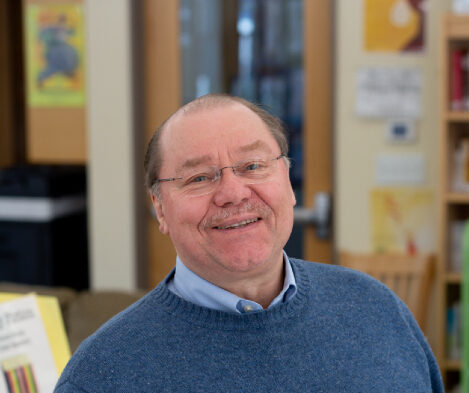
In Educating the Human Potential’s first-ever returning guest episode, psychologist and bestselling author Michael Thompson returns for a timely conversation about why summer camp remains one of childhood’s most powerful developmental experiences. Together with Nicole Coman and Biff Maier, he explores why homesickness is a normal part of growing up, how camp fosters resilience and independence, and why today’s culture of constant communication may be making it harder for children to develop confidence away from their parents.
Together, they discuss:
- Why homesickness is a healthy developmental milestone
- The surprising reason camp friendships last a lifetime
- How camp counselors become powerful role models
- Why independence requires time away from parents
- Technology, constant communication, and modern parenting
- Helping children—and parents—prepare for separation
Whether your child is heading to camp for the first time or you’re simply thinking about how children grow into capable, confident adults, this conversation offers thoughtful reassurance that sometimes the greatest gift parents can give is the space to grow.
00:00:02:22 – 00:00:12:13
Nicole
Welcome to Educating the Human Potential. The podcast about optimizing education for a better society through a montessori lens. My name is Nicole Coman.
00:00:12:13 – 00:00:27:21
Biff
And I’m Biff Maier, and we are joined once again today by Michael Thompson. He’s our first return guest. When we had our conversation last time, Michael, I remember we had a short, a brief conversation about summer camps.
00:00:27:23 – 00:00:29:00
Micheal
Right at the end. Yeah, yeah.
00:00:29:01 – 00:00:32:04
Biff
And we said, oh, you’re going to have to come back and really talk about this.
00:00:32:05 – 00:00:33:09
Nicole
And we kept you to that.
00:00:33:10 – 00:00:51:20
Biff
Yes. Well, fortunately you were willing to be kept in touch. That’s true. But let me review a little bit about Michael, because some people may not have heard the last one. So Michael is a longtime psychologist at Belmont Hill School. I think of you, Michael, as the parent whisperer.
00:00:51:22 – 00:00:52:05
Micheal
00:00:52:11 – 00:01:36:04
Biff
You know, because I think you have a way of communicating with parents that is remarkably disarming. And in addition to being wise and they hear you, which is, I think, extraordinary. But Michael is an author and a speaker on topic topics, especially about raising boys. Yeah, probably most famously Raising Cain, but also a really important, comprehensive book. It’s a Boy and Speaking of Boys, but also on social cognition, which I think is more sort of on topic for today, but best friends, Worst Enemies, great book about social cognition.
00:01:36:04 – 00:01:41:21
Biff
And then our focus today, Homesick and Happy is your book on overnight camping.
00:01:41:22 – 00:02:01:22
Micheal
Yes. And the subtitle of Homesick and Happy is How time away from parents can help a child Grow. Of all of the subtitles of all ten of my books, that is my favorite, most accurate, most descriptive subtitle, how time away from Parents can Help a Child Grow.
00:02:01:22 – 00:02:06:05
Nicole
And so what made you be so passionate about that?
00:02:06:09 – 00:02:47:07
Micheal
Well, I went to camp and I had great memories of camp, and I was being asked to do camp staff trainings, which is really unusual experience for me because I’ve my career has been working with teachers, do training teachers, and they tend to be late 30s 40s 50s of of a sudden I was training 20, 21 and 22 year olds about spending an enormous amount of time with 11, 12 and 13 year olds and helping them to find their sense of authority without losing their sense of joy.
00:02:47:09 – 00:03:11:10
Micheal
And they were. It was a really interesting challenge working with camp counselors. And I saw that the bond between camp counselors and kids was different from the bond between kids and teachers and schools, and certainly between kids and their parents. And so that was that was sort of magnetic for me.
00:03:11:11 – 00:03:32:22
Biff
Wow. Can we talk about that a little bit? Sure. I’m really fascinated by that. You know, the the relationship that gets built between campers and counselors, in part because, you know, I have a son who went to camp and did the developmental stages of camping, you know, started out as a young camper and worked his way up to being a counselor.
00:03:32:23 – 00:03:34:20
Micheal
Junior counselor, right.
00:03:34:21 – 00:04:00:00
Biff
All the steps. And he just weeks ago went to a wedding of one of the kids that he started out as a camper with and then ended up being a counselor with, and they ended up having this reunion of campers at this wedding because they were all there. And the relationships are so solid. I mean, solid in a way that is different from his relationships with kids that he went to school with.
00:04:00:00 – 00:04:27:07
Biff
Right. And their talk was about both being campers and being counselors, and it was about their relationship with the people who were counselors when they were there. And I just I think that that is on. I’m really delighted to hear that you were training counselors like that, because I think that’s a it’s a remarkable skill that they have.
00:04:27:08 – 00:05:02:07
Micheal
Well, the gift is on the part of a camp. Directors is picking out the kids. They are actually looking for future leaders. They’re looking at ten year olds and 11 year olds and 12 year olds. Most of us in schools are not looking at future leaders when we’re looking at ten year olds, but a camp director is raising them up in a very deliberate way, because she needs these young girls to be her junior counselors at 15 and 16, and then she needs him to want to stay and be counselors.
00:05:02:07 – 00:05:37:01
Micheal
So when you say about camp development, it is a kind of a structured way of growing up and measuring yourself with other people and against other people, because one of the things that’s toughest at a YMCA camp is that 30 kids apply to be a junior counselor, and they pick 12 and they break the hearts of 18. And I’ve had a YMCA camp director say that’s the most painful day in my year, is having notify kids that they weren’t because they loved the camp.
00:05:37:01 – 00:06:06:16
Micheal
They loved their camp experience. So what is it about camp that brings out such love in kids and gets a commitment? Not all kids, not all the time. There’s some. I have a dear friend who hates mosquitoes and he hated camp, so he has nothing good to say about camp. I’m not saying everybody loves camp, but for the kids for whom it works, it can be a life defining and friendship defining.
00:06:06:16 – 00:06:30:06
Micheal
And I’m just let me step to the side for a second. I often speak to parents about camp, and parents often ask me, how do you choose a job of camp for your child? Blah blah blah is you canoeing? Do you do tennis? Do you do? Sports? And I say, look, the most important thing about camp is that you’re not there.
00:06:30:07 – 00:06:31:08
Micheal
Yeah, right.
00:06:31:14 – 00:06:32:17
Nicole
That’s the key element.
00:06:32:19 – 00:06:55:00
Micheal
The key element is the parents are not there. And through my brother, who was a camp counselor with the humor writer Dave Barry, remember Dave Barry at the Miami Herald? Oh, yeah. Using that connection, I got in touch with Dave Barry in Florida, and I interviewed about him, about being a camp counselor with my brother at a camp for underprivileged kids in, in New York State.
00:06:55:00 – 00:07:19:12
Micheal
And he’s in the book. And I said to him. Do you have kids? And have they gone to camp? He said, oh, yes. He said, my nine year old daughter just got home from camp and I’m furious about it. And I said, really? And he said, yes, she had the best time. She can’t stop talking about it. And I wasn’t there.
00:07:19:14 – 00:07:44:22
Micheal
And I thought, he has the humorous ability to capture what it is about camp that is hard for the modern parent to embrace because they think if I’m there, I get to see my child having fun, and then I’ll get the feedback that I’ve been such a good parent to send her right to camp.
00:07:44:22 – 00:07:46:21
Nicole
And I’m experiencing in this moment.
00:07:46:21 – 00:07:55:19
Micheal
With that I had Nicole, I was wondering, are you are you your your daughter at ten has had how many weeks away from you?
00:07:55:21 – 00:08:05:20
Nicole
Well, she only did one and this was her first year. Okay. But she’s already told me when I picked her up after the first week. The one week she said she’s going back for for next year.
00:08:05:22 – 00:08:07:00
Micheal
Bingo. Right.
00:08:07:01 – 00:08:09:04
Nicole
I’m not ready for it. We’ll talk about that later.
00:08:09:06 – 00:08:14:06
Micheal
I see you, mom. See you. Mom, I’m out of here for a month next summer, mom.
00:08:14:08 – 00:08:31:20
Nicole
I mean, it’s just. But it. I’ve been so excited about this conversation with you, Michael, for this very reason. Because I talked to a lot of parents about this. I did not grow up going to sleep weight camp. I actually am set with my mother for not sending me, because I see the joy and how much growth comes, even in just one week.
00:08:32:00 – 00:08:55:23
Nicole
I have a lot of friends that send their kids for multiple weeks, eight weeks, four weeks. I mean, in the beginning I couldn’t fathom that. But I want to I want to ask you, and I want to shift this to parents for a second, because parents often see homesickness as kind of something to avoid. Right? Right. And so seemingly, you’re arguing that that’s it’s a developmental kind of experience and important developmental experience for parents.
00:08:55:23 – 00:09:01:00
Nicole
Can you explain why the parents are avoiding this? But this is actually something.
00:09:01:01 – 00:09:21:11
Micheal
They don’t want their child to be in pain. And when you’re a parent, you’re empathically connected and their pain lights up the pain centers in your brain. Their pain is your pain. So you don’t want them to be in pain. And even if they’re not that much pain, you’re in pain anticipating the pain they’re going to be in.
00:09:21:11 – 00:09:44:17
Micheal
And that’s the modern parent. So here’s the deal. When I sat down to write Homesick and Happy, I looked up the literature. I’m a trained psychologist. I looked up the literature on homesickness. There’s not a ton of scientific literature on it because it’s not a clinical syndrome. It is not a mental illness. It is not an anxiety disorder.
00:09:44:18 – 00:10:13:10
Micheal
It is homesickness. It is a normal part of being a child. If you have a child, if you have a home that you love and parents who love you, and a pet and a pillow and a bed and a home cooked meals and things you love leaving them, it’s going to cause you some pain. So I looked up the literature on homesickness, and the vast majority of it is owned by a psychologist named Chris Thurber.
00:10:13:10 – 00:10:43:07
Micheal
And Exeter, New Hampshire. He’s actually the psychologist for Phillips Exeter Academy, and I assumed that he was writing about homesickness because he was a boarding school psychologist. But when I drove up to meet him, he said, oh, no, no, he said, it all comes because I was a counselor. YMCA Camp Belknap. And when I was doing my PhD, I wanted to continue to be Waterfront Director, YMCA Camp Belknap.
00:10:43:08 – 00:10:47:22
Micheal
So I chose a PhD topic that would allow me to do my research.
00:10:47:23 – 00:10:49:11
Biff
At camp. That’s fantastic.
00:10:49:13 – 00:11:28:07
Micheal
It was like he had the bed. He had camp disease big time. His name is Chris, a wonderful man. He thinks 100% of kids have homesickness. Only 97% will admit it. Okay. There are 3% of kids who are doing it and say, not a bit. No, none. Didn’t have it. Nothing. All right, so if you take that group of almost universal experience, kids who have some homes, about 81%, according to Chris’s research, have a homesickness that’s painful.
00:11:28:07 – 00:11:56:08
Micheal
And it’s painful for 2 or 3 days or a week. And it involves crying in your pillow at night, waking up sad in the morning, something realizing you’re not at home and dragging yourself out of your bunk feeling bad. But then you get engaged and you. The homesickness lifts. For 81% of kids, 19% of kids have significant distress, and by that they, the crying goes on for more than a week.
00:11:56:08 – 00:12:24:03
Micheal
And the sad feelings and they have real significant distress and about a third of them. So it’s about 6% of all kids have unremitting, unrelenting homesickness. So when I read this research, I thought I got to go check with my son, Will. He was now 19. In college. I said, well, when you went off to camp and I pushed him out the door because his mother had never gone to camp, and camp was my thing, so I pushed him.
00:12:24:05 – 00:12:47:10
Micheal
I said, did you? I know you were in the significant distress group, but were you in that 6% who had unremitting always with you on signals? And he said, yes, dad and I. Then I felt there. Yeah, I felt terrible. Right. I sent him up. I said, well, why did you go back to your camp the second year?
00:12:47:11 – 00:13:06:01
Micheal
You and your mother would have voted me. She would have totally sided with you. What? Why did you go back? And he said, dad, if you can’t learn to sleep away from home, it means you have to live with your parents for the rest of your life.
00:13:06:03 – 00:13:08:17
Nicole
Very good point. And the life skills?
00:13:08:21 – 00:13:32:08
Micheal
Of course it went. That quote went right in the book. But parents don’t have the concept, or they don’t want the concept that their children are already looking ahead to outgrowing them. But my son will laid it out there. If you’re a kid, if you can’t learn to sleep away from home, you have to live with your parents for the rest of your life.
00:13:32:10 – 00:13:54:08
Nicole
I mean, so the odds are good. So 81% is they’re ready to go. They’re fine. So for that unremitting let’s let’s talk about the 6%. Yeah. Those kids, they go to camp, you push them out the door and you get that heartbreaking call from camp that they say, mom, dad, I want to come home. What is your best advice for parents in that situation?
00:13:54:09 – 00:14:28:19
Micheal
Talk to the camp director. Think because somebody is watching your child all day and seeing whether they’re in fact enjoying swimming, whether they’re enjoying canoeing and they’re horseback riding, whatever the activity is, they’re seeing the times that your child is distracted and engaged, even if they have big or even if they’re one of that 19% or that that 6%, because very few kids leave camp.
00:14:28:21 – 00:14:42:08
Micheal
The only kids who leave camp are parents are the kids whose parents said, if you’re unhappy, call us will come get you. Right? That is that is the guarantee that your child is not likely to stay.
00:14:42:09 – 00:14:46:15
Nicole
And would you tell parents that are sending their kids to camp from the beginning? That’s a big no no.
00:14:46:16 – 00:14:47:07
Micheal
Don’t say that.
00:14:47:08 – 00:14:49:07
Nicole
Yeah. For the first time, I mean.
00:14:49:08 – 00:15:17:16
Micheal
No, if you have a child who suffered from clinical anxiety, who’s been in therapy, who’s had real manifestations of separation anxiety, then for that child camp is a higher risk because they’ve already had a preexisting clinical situation which could be triggered by a camp. You. But what you can’t do is send your child off to camp with hope that it will cure their anxiety.
00:15:17:17 – 00:15:46:19
Micheal
But telling them, just, you have to call me and I’ll jump in the car and get you. That’s such a mixed message. What you have to do if you’re going to send a child to camp is have them do sleepovers. And Chris Cerberus recommends us. The best preparation for camp is having sleepovers that somebody else’s house. But the modern parent is so frightened about child sexual abuse, they won’t send their child over to anybody else’s house.
00:15:46:20 – 00:16:11:02
Micheal
You’ve got to have some people in your child’s life whom you trust, and you send them to grandparents, or you send them an aunt and uncle, but they have to have some practice of being away from you, and so that you can say to your child, sweetie, I think you’re ready for this. You went to you and Natalie’s, and you were there for four days and you were fine.
00:16:11:03 – 00:16:16:17
Micheal
You can be away from us. It’s going to be all right. And that’s the message you have.
00:16:16:17 – 00:16:31:07
Biff
To send. Don’t you think there are some kids who are anxious about being away because they think they have to take care of their parents, and they know their parents are having child child sickness instead of. Absolutely, you know.
00:16:31:09 – 00:16:55:15
Micheal
Oh yeah, of course. And there’s so much child sickness in the modern parent because they’re so there’s they’re on it all the time. This is the most conscientious, devoted, loving cohort of parents, but they have way too much time to spend with their children. And you know something? I’ve asked adults for a long time. I mentioned this in the previous interview.
00:16:55:15 – 00:17:21:17
Micheal
I’ve been asking adults for audiences of adults, think about the sweetest moment of your childhood. Take 10s think about whatever comes to mind. What do you mean by sweet? I said, I’m not going to define what’s the sweetest moment of your childhood. Overwhelmingly it’s. I was with my friends. We were not being supervised by adults. We were doing something that was a little risky, that apparently.
00:17:21:18 – 00:17:23:12
Biff
Would not have been happy about.
00:17:23:14 – 00:17:47:09
Micheal
And that was great because I thought, I’m out there, I’m on my own. I had an 11 year old girl tell me she was at a vacation place with two littler cousins. They were little, little. And she went out into a field that was the grass got higher and higher, and she suddenly realized that she had no idea where she was and she couldn’t see anything.
00:17:47:09 – 00:18:10:11
Micheal
And she was in charge of her two little cousins. And finding her way back gave her such a feeling of grown up and achievement. And look what I did. And she. That was when I asked her what was the sweetest moment of her childhood. It was that moment of accomplishment on my own.
00:18:10:12 – 00:18:18:18
Biff
Well, that had so many parts. I mean, taking care of your siblings, you know, and feeling grown up that way too, and surviving.
00:18:18:18 – 00:18:43:16
Micheal
So back to the thread that you started about the counselors or we were going to talk about there. If you think about what is normal human play, humans, if we think of them as primates, want to live in communities of 120, 130, and the parents are going to be busy and the kids are going to be playing with younger kids and older kids.
00:18:43:16 – 00:19:08:21
Micheal
And in the third world of children do take care of younger siblings, as you mentioned, and they are taken care of by older siblings and older cousins, and they play up and they play down and we chop. I mean, this isn’t completely true of Montessori because you have the three ages together in a classroom, but which I was one reason we set our son the Montessori school.
00:19:08:21 – 00:19:25:09
Micheal
But the educational system chops everybody into age cohorts so that you don’t get to play up or play down. And camp is one place where you can. But in fact, the big kids are the counselors.
00:19:25:14 – 00:19:28:11
Biff
That’s right. And they’re encouraged to still be kids.
00:19:28:11 – 00:19:56:00
Micheal
Yes they are. They’re they’re encouraged. Me incredibly responsible kids. And the ones who get to 21 are still or have too much kid. They, the camp director, has to put them on the road because they’re they’re not responsible enough if they think they’re still just a camper. But I’ve watched a lot of the most.
00:19:56:02 – 00:20:24:09
Micheal
Look when I was at Belmont Hill. It’s an all boys school. I used to be able to tell the senior class and tell which ones had been camp counselors. They were just extra responsible and not super serious or a Delta morphic. They just took responsibility because I don’t. Did Teddy do this? Yeah. He had to spend a rainy day at camp entertaining kids.
00:20:24:09 – 00:20:27:06
Micheal
I don’t know what age children he was looking after.
00:20:27:07 – 00:20:39:14
Nicole
Is it weird that I just had a visceral reaction to that? Thinking about being stuck in a cabin with a bunch of kids and and having to manage that and come up with something really fun and exciting to do inside. For hours, for hours.
00:20:39:14 – 00:20:50:22
Micheal
And hours. And they have to do that. Camp counselors work so hard, and they have to be so creative, and they have to help each other out, and they have to get.
00:20:50:22 – 00:21:01:12
Biff
Kids and they have to be cool, you know, they have to do it in a way that the younger kids look at them and they say, I just want to be like that.
00:21:01:13 – 00:21:02:10
Nicole
Yeah, relatable.
00:21:02:10 – 00:21:30:11
Micheal
I had one kind of overweight or I had a camper I interviewed and he’d been kind of an overweight, whiny, spoiled kid from Manhattan. I was raised in Manhattan, so this is my kid identify with. And he said he looked at his counselors body and thought, that is what I want. I need to be that. And he started throwing himself into activities.
00:21:30:11 – 00:21:53:23
Micheal
He started to try and get stronger. Instead of being a whiny 12 year old. He wanted to be a grown up, strong boy. And but it was the model in his mind was his counselor. And I think my wife has a dear friend, Louise, who said she just when she was 11. She went to a camp and she fell in love with a counselor.
00:21:53:23 – 00:22:22:12
Micheal
His name was Blondie and she couldn’t remember the woman’s actual name, but she said she just patterned around all summer, just loving her counselor, Blondie. Well, I wrote about that in the book, and a camp director came up to me at a conference in ACA conference and said, how could you said that the the crucial thing in Kent is the love between kids and counselors that’ll unnerve parents.
00:22:22:15 – 00:22:32:22
Micheal
And I said, because it’s true. Yeah, because it’s true. Little kids fall in love with big kids and want to be like them.
00:22:33:01 – 00:22:33:17
Nicole
Role models.
00:22:33:17 – 00:22:51:08
Micheal
And you. When you’re 11, you don’t absolutely fall in love with a 45 year old in the same way, you just don’t. If it’s your counselor, visit junior counselor who’s 16 and she pays attention to me. She listened to me.
00:22:51:08 – 00:22:53:12
Nicole
And we have things in common.
00:22:53:14 – 00:23:04:23
Micheal
It’s it’s it’s it’s the bridge. It’s the bridge from childhood to adulthood is provided often by camps. And the older kids at camp and and especially the counselors.
00:23:05:00 – 00:23:33:22
Biff
I just can’t help but draw the parallel to monster. Please do. Because I because when you talked about how camp directors are looking for leadership, that is something that monastery teachers are looking for all the time because they need their third year of that three year age span to be leaders. Montessori actually described the classroom as a cohesive community, and she said it is not the adult that manages the room.
00:23:33:22 – 00:24:19:15
Biff
It is the culture of the cohesive community. You build a cohesive community, and that’s why kids grow up. So I think it’s interesting to think about. I mean, this is one of the reasons that this conversation was so exciting to me is that I do think that the hidden agenda of Montessori teachers is often trying to give kids the protection against the, you know, too much parenting and the and the opportunity to experience the sort of independence and the sort of and the, the family atmosphere, sort of of the, of the community so that they can build that leadership.
00:24:19:17 – 00:24:43:19
Micheal
So I’ve visited many monastery schools. You have to tell me, because I don’t I didn’t read this, and I’ve read a fair amount of Maria montessori, but not this particular thing. But I have gone to monastery schools where there’s a kind of a picket fence around the classroom, and parents are not invited to go into the classroom. And somebody told me that that’s from Maria montessori.
00:24:43:20 – 00:24:45:12
Biff
That I think it is from Miriam.
00:24:45:14 – 00:24:51:14
Micheal
That kids need a space that is theirs. That’s none parental space.
00:24:51:14 – 00:25:17:00
Biff
I think that there has been a lot of controversy around that. Many people have tried to say Montessori schools should be more welcoming for parents. They should be able to get in there more. When I did my training in Italy, literally one of our trainers said it would be nice if the only door in were too small for most adults, you know?
00:25:17:01 – 00:25:38:01
Biff
But but you know this idea that it is a sacred space, right? I and I actually think there’s something very natural about that. I remember when my sister had her oldest child starting in a montessori school. She thought, well, you know, most people say that their kid won’t come home and talk about school. You know, this is their space.
00:25:38:01 – 00:25:56:12
Biff
And he was, you know, he was 3 or 4 or whatever. And she said, but I have a relationship with him that he will share what’s going on. So he came home that first week and she said, so how did your, you know, what did you do today? And he didn’t want to answer. And she pushed it and said, but really, tell me about the day.
00:25:56:12 – 00:26:13:10
Biff
I’d really like to know. And he said, I think his teachers name was Miss Corley. And he said, Miss Corley and all the other teachers, we wiped putty on the walls all day. And my sister thought, I guess I don’t ask that question.
00:26:13:12 – 00:26:14:20
Nicole
Better that you don’t know.
00:26:14:21 – 00:26:20:05
Biff
That’s one. That’s one way to tell me to leave this situation alone.
00:26:20:10 – 00:26:55:03
Micheal
So you touch on something which I have in the book and which I’m leaving, and that is who has psychological ownership of an experience. I want a child to have her own ownership. Your daughter owns her week at camp. You weren’t there, right? It belongs to her. If you intrude too much trying to find out what it is, then you’re saying I need to have been part of it.
00:26:55:07 – 00:26:59:14
Nicole
So I’m not supposed to be scrolling the pictures that come out on a daily basis?
00:26:59:16 – 00:27:00:14
Micheal
Yeah. No, you’re not.
00:27:00:15 – 00:27:02:02
Nicole
You’re not because because I did.
00:27:02:03 – 00:27:03:05
Micheal
I know, but here’s.
00:27:03:06 – 00:27:06:08
Nicole
Thousands of pictures just trying to find her.
00:27:06:10 – 00:27:34:23
Micheal
It’s the modern. It’s the modern parent. And I was once talking to the director of Teton Valley Ranch Camp in Jackson Hole, Wyoming, and he said he had a satellite set up for. They send the pictures up, and it didn’t always work. And if the pictures didn’t go up the instant they were supposed to, he was getting calls from Washington DC, New York and Boston.
00:27:35:01 – 00:27:57:01
Micheal
The the parents were already to leap on it. But I had a wise mother in Hawaii who said to me, now she put her son on a jet plane and sent him to a camp in California. That’s not nothing. That’s that’s that’s a way. And she said that whole first summer he was at camp, she was on the website looking at pictures of him.
00:27:57:07 – 00:28:22:12
Micheal
And at some point she thought, this is just for me. It doesn’t actually have anything to do with his camp experience. And so I site that to parents. And I say, you’re seeing pictures of your child of camp as no value whatsoever to your child’s camp experience.
00:28:22:16 – 00:28:26:09
Nicole
I am going to I’m going to challenge you on that for just.
00:28:26:09 – 00:28:29:23
A second. It was I’m being provocative, Nicole. You know I am.
00:28:30:01 – 00:28:51:18
Nicole
You know, let’s get into a psychological battle here with psychologists here. I, I wonder, though, don’t you find while it takes it doesn’t take anything away from, you know, your child’s experience. They’re in it. They’re living it. They’re experiencing it. Don’t you feel like it’s giving some kind of coping for the parent? If you know? Because I imagine you’re curious.
00:28:51:18 – 00:28:57:23
Nicole
You want proof of life. You want to know what’s going on. I mean, literally those those ideas were going on in my head.
00:28:57:23 – 00:28:58:17
So you.
00:28:58:17 – 00:29:01:00
Micheal
Were looking at the pictures to make sure she was alive.
00:29:01:01 – 00:29:04:22
Correct? That’s so parental I get now, and I get that.
00:29:04:23 – 00:29:13:08
Nicole
I need my own psychologist. No, but I think that there’s something just to. Just to know. Just. Are they having fun? What are they doing?
00:29:13:10 – 00:29:13:16
No.
00:29:13:16 – 00:29:16:07
Micheal
But what I’m saying is that’s all for you.
00:29:16:08 – 00:29:17:01
Totally.
00:29:17:03 – 00:29:41:06
Micheal
I understand that it did. You’re seeing the pictures did not add any value. Absolutely to her day at camp. The wonderful thing about her date camp is that she owned it. She made friends. You didn’t know, and the parents of her friends couldn’t get together with you to discuss their friendship. They made friends. The friends belonged to them.
00:29:41:08 – 00:29:42:18
Micheal
The mothers were cut out.
00:29:42:19 – 00:29:45:17
Nicole
Yeah, without any influence from the parents.
00:29:45:18 – 00:30:11:09
Micheal
So I have a chapter in my book called OMG, I Love You So and I interviewed five women who had met at a summer camp starting. The first two had met at the age of eight and it was the least costly, the most inexpensive camp in the whole state of Vermont. And it was in a a state park called Charles Downer State Park.
00:30:11:09 – 00:30:37:09
Micheal
And this camp had the spectacular name of Camp Downer, which I. Just just adore. Yeah. So I met all these women when they were all moms, all professionals, all around 34 years old. They parked their kids with their husbands and came to my house. They had said that they would tell me everything about being campers and counselors at Camp Downer if I got them a little bit drunk.
00:30:37:10 – 00:31:06:07
Micheal
Oh, so I, I did. That was a invitation I couldn’t turn down. And I had I just talked with them about their lives together and how much they looked forward to seeing each other in the summer and how then they spent, you know, started out a week and then two weeks and then spent four week sessions and then became junior counselors and then senior counselors, and they all signed their letters to each other in the same way.
00:31:06:10 – 00:31:31:08
Micheal
OMG, I love you so. And they were all bridesmaids at each other’s wedding. They weren’t all present. We had one on zoom. I’m a major in the Air Force and she was in Alaska, but they wouldn’t meet with me and talk about their lives together without including the fifth member. And it was. They were so loving and closely bonded.
00:31:31:08 – 00:32:05:08
Micheal
And I said, what is it? And they said, it’s like a nonstop sleepover. It’s just you’re you’re living together and it isn’t chopped up by classes and homework and tests and teacher demands and scattered to specialists. You’re spending all day and all night together. And it’s intimate. It’s affectionate. And I love that particular. I wrote that chapter based on one night of talking to these women.
00:32:05:08 – 00:32:45:13
Micheal
And did they do some risky things as camp counselors in their 20s? Oh, surprise, surprise they did. But the bonds were extraordinary. And I think one of the ways you can launch your child to make her friends or his friends is by sending them a way to do it, because then you’re not critiquing, supervising, monitoring, making playdates. They’re there, they live it out, and it belongs to them.
00:32:45:14 – 00:33:15:11
Nicole
I love this just because they’re authentic relationships that they’re creating their meaningful. They’re not. I think, so much we set up all these playdates for our kids. Or, you know, who you should hang out with. My friends daughter is also ten. You should be come friends. It is. It is on their is their choice about who they’re becoming friends with, who they’re spending their time with and and focusing on that person.
00:33:15:11 – 00:33:33:21
Nicole
I just find that to be fascinating. I don’t think I’ve ever thought of it like that. And I think it might be nice for parents that are on the fence about camps to hear these stories about these women that are now, 20 years later, still so meaningful in each other’s lives and part of weddings and all these other, you know, meaningful life events.
00:33:33:21 – 00:33:35:12
Nicole
I just I really love that.
00:33:35:12 – 00:33:56:20
Biff
I think they also need to hear about the ones they didn’t like, you know? Sure. The ones they don’t know anymore because I, you know, so much of what we worry about is, is whether our kid is going to get along with other people. And what if there’s somebody in my cabin that I hate totally. And and I think that it’s I think we have to say, yeah, that’s that’s probably going to happen.
00:33:56:21 – 00:34:07:15
Biff
You know, there are lots of people in our lives that we don’t get along very well. And you’re not going to be there to work this out. They they may work it out with their counselor, but.
00:34:07:19 – 00:34:27:12
Micheal
They and their counselor better be on it, because there’s if you’re in a cabin of ten girls or a cabin of ten boys, there’s always somebody who’s annoying. Yeah. And the group will tend to try and scapegoat that kid. And it is really, really important that there be trained counselors who know how to deal this. You said, why do I do staff trainings as well?
00:34:27:17 – 00:34:31:19
Micheal
That’s one of the reasons.
00:34:31:21 – 00:35:01:15
Micheal
But Scott Brody, I was on the ACA board with him. He said he owned two camps in in New Hampshire. And and he said camps are about friendship and social life and negotiating all of those hard things. That’s what that is, the curriculum of camps. I mean, whether there’s waterfront and hiking or who cares? It’s about negotiating your way with other kids without the parents negotiating it for you.
00:35:01:15 – 00:35:20:22
Nicole
I want to kind of keep on this idea of of constant communication. So like I said before, you know, I was scouring those pictures every day when they were posted just to kind of feel like I was connected to my daughter wasn’t able, you know, I was able to write to her, but whatever, but just to see what’s going on.
00:35:20:22 – 00:35:42:19
Nicole
So in this today’s world of constant communication, so text FaceTiming smartwatches, do you think children have fewer opportunities to develop that independence because of this? It’s a completely different story now. And how do you think technologies change this idea of of of more kids maybe being homesick because they don’t have that constant communication?
00:35:42:20 – 00:36:07:19
Micheal
Well, I mean, I think parents are endlessly in touch with their children. Children are endlessly in touch with their parents. I remember a little boy, actually a small eighth grade boy at a Catholic school in Chicago, and Catholic schools, a Catholic families are always not as enthusiastic about camps, other people. But this school had had a one week camp.
00:36:07:21 – 00:36:29:11
Micheal
They sent all of their middle schoolers away to good for them. In my opinion. The school sponsored and this boy got up and he hemmed in. He hard and he said, Doctor Thompson, you know, I mean, was it bad? I hardly thought about my parents at all.
00:36:29:13 – 00:36:32:17
I made you.
00:36:32:19 – 00:36:35:08
Micheal
I hardly thought about my parents at all.
00:36:35:09 – 00:36:37:00
Nicole
I can’t wait to ask her when I get home.
00:36:37:01 – 00:36:59:10
Micheal
It was that all right. But that’s what he wanted to know for a psychiatrist. Was that all right? That I hardly thought about my parents? Of course I told him. Yes. You had a camp experience. You didn’t have to keep your mom and your dad and their issues and everything else. And your sibs. And you, you were. You were with, you know, you were away.
00:36:59:10 – 00:37:01:03
Micheal
And that’s different.
00:37:01:03 – 00:37:38:14
Biff
I sort of feel like I want to I want to challenge the, the idea that looking at all those pictures makes absolutely no difference to the child’s experience at camp, because there is a photographer there, you know, and the photographer is going around trying to capture everything and send it to all these parents and I, and we’re asking teachers to do that now, you know, as teachers are going through their day, you know, planning their curriculum, observing children, figuring out what to do, the other thing that has to be on their mind is documenting the, you know, the activities in the room.
00:37:38:14 – 00:38:00:16
Biff
And I think I don’t know whether counselors are also asked to document or whether it’s always a professional photographer. But I have a sister in law who is a professional photographer at Big sleepaway camp in Minnesota. And, you know, she loved it. She captured all these amazing pictures. But I kept thinking, why? You know, because.
00:38:00:16 – 00:38:40:00
Micheal
The parents need it. And and they’re paying a lot for the camp. And, and most camps now have a full time photographer. And she’s going to all the pictures to try and find the maximum number of kids smiling. Yeah. You could take hundreds of pictures of kids and groups and they’re not all smiling. But if your child, if you look at that picture and there are 12 kids in it, and your child and one other child are not smiling, the anxious parent is going to make the assumption that their child is not having as good a time right as the other ten smiling children, which of course is completely rubbish.
00:38:40:01 – 00:38:47:08
Micheal
It’s bogus. You caught a child with her not smiling. Give me a break. Most of us don’t smile all the time.
00:38:47:10 – 00:39:05:13
Nicole
But again, with this whole idea of this constant communication, it’s just kind of the way things are. Everyone has a smartwatch where you can always get in touch with our kids. I will tell you, I have a very good friend that she just sent her daughter away to sleep away camp and she said, when you see that photographer, you go over there and you make sure she takes a picture of you.
00:39:05:17 – 00:39:06:15
Nicole
A little shout out there.
00:39:06:16 – 00:39:07:11
Biff
Oh my God.
00:39:07:12 – 00:39:16:13
Nicole
But I’m telling you, those pictures are so important to parents because we just want to make sure that they’re happy. They are happy, but it’s just for us. And so.
00:39:16:16 – 00:39:25:04
Micheal
But that’s why I’m saying you as a parent, you have to coach yourself. This is for me, is not for her. Yep. Right.
00:39:25:05 – 00:39:26:07
Nicole
This is so good for parents.
00:39:26:08 – 00:39:31:15
Micheal
Do you think it’s the documented lesson? Is a better lesson for children?
00:39:31:16 – 00:40:00:00
Biff
No, I think it’s distracting. Thank you. I do, and I think and I think, I think there’s wisdom in the three year old, you know, nephew that I had who told his mother, leave me alone. This is my school. And and I think there is an impact when when, you know, your parents are monitoring things that closely, and whether it’s at camp or whether it’s at school, it’s important for that to be.
00:40:00:00 – 00:40:36:00
Biff
That’s your world. And a wise parent will allow you to have your own independent world and wait for you to have things to say, rather than continually interviewing you and trying to pull that from you. I know it’s hard. You know, I remember clearly the first day that my son went to camp and I, we put him on a boat in the pouring rain to go to an island in the camp, and watching him go away on a boat in the absolute torrential downpour was one of the hardest things I’ve ever done.
00:40:36:01 – 00:41:08:10
Biff
I understand that you don’t. When you said you don’t want your child to feel pain, you know, that’s where I was. I was thinking, oh my God, he’s sitting there. He’s is what is he going through right now on this book? And, but I, I worry that the, the whole ethos of camping, which, which I believe is about discovering yourself, is compromised by, by the, the desire of the of the parent to be.
00:41:08:12 – 00:41:19:07
Micheal
Instantly in communication. So as old fashioned as I tell parents, write letters, right? Letters on stationery.
00:41:19:09 – 00:41:20:05
Biff
That’s a good idea.
00:41:20:08 – 00:41:59:07
Micheal
Have perfume, put a couple of drops on it. Because. Right. Because I have seen campers at a girls camp with a little plastic bag. Get out the letters from their mom and smell them and put them back in and seal of the Ziploc bag again. And when my friend Annie Fishel, who’s a psychologist at who runs the family therapy program at Mass General Hospital, she said that the kind of only letters she has from her mother are the letters her mom wrote to her at camp.
00:41:59:09 – 00:42:21:02
Micheal
And when her mother died and she went and cleaned out her house, she found all of the letters that she written her mother from camp, all tied together with a ribbon, and that you can’t do that with emails. And we now have parents who are sending an email to the camp office and want it immediately delivered because it’s.
00:42:21:06 – 00:42:22:06
Nicole
Communication.
00:42:22:09 – 00:42:55:21
Micheal
And, you know, okay, but it interrupts my day. And so I read this email from my parents was all over some topic. It has nothing to do with my day. But if I get a letter and I send the letter, I mean sending the letter. They still camp. Counselor, still extract these letters in postcards from campers, and there are some campers who distill down their very worst experience and put it in a letter.
00:42:55:21 – 00:43:14:22
Micheal
And that was where was the famous song hello. Hello, farai. Here I am at Camp Granada. I can’t remember this sing humorous singer’s name. Who did that? But it was a, you know, distilling. Everything’s terrible. Oh, got to go. Things were at the end. It’s got to go. We’re doing.
00:43:15:02 – 00:43:17:16
Biff
This training right. It’s not failing.
00:43:17:18 – 00:43:18:07
Micheal
That’s right.
00:43:18:10 – 00:43:21:04
Biff
Stop reading. Because they’re swimming. Kids are sailing.
00:43:21:05 – 00:43:46:08
Micheal
There you go. You know the song? There it is. Yeah, there it is. The the email moment for the parent has almost nothing to do with what, what the child’s actually experiencing. And it does increase homesickness. The, the parents who insist on calling children, and camp directors are trying to talk him out of it, but I need to talk with her.
00:43:46:08 – 00:44:13:23
Micheal
It always creates a spike of homesickness in a child. So you need to know if you have, as I say, a child who is predisposed to anxiety has some clinical history that then you may have a difficult decision to make whether the child can stay at camp. But the interesting thing is, and I visited 21 camps to to write this book, and I’ve talked to hundreds of kids about their camp experience.
00:44:14:01 – 00:44:46:08
Micheal
They don’t go home, they stick it out even when it wasn’t the best summer of their dreams. And then they go back hoping that the next summer will be better. I was just a camp in Canada doing a staff training in June, and a staff person there told me that she’d been very homesick as a camper going to that camp, and nor that this is in northern Ontario.
00:44:46:09 – 00:45:11:07
Micheal
American. And I said, do you still experience homesickness? And she said, oh, always when I come up here, always the first two days, I’m always just a staff person. She’s a counselor. Wow. She’s homesick. But she it’s important to her to be a counselor at a wilderness camp, and she knows she’s going to feel it, and she knows she’s going to push through it.
00:45:11:08 – 00:45:34:10
Nicole
And I bet that helps the kids that are experiencing it normalize it, saying, my counselor even feels this way, but she’s she’s ensuring that it’s going to be better after day three. Let’s just get to day three baby steps, day four. Let’s try again tomorrow. And just to see a role model, the older child, if you will, the counselor experiencing that, it kind of just makes it seem like it’s not just me.
00:45:34:12 – 00:45:37:03
Nicole
This is kind of a typical feeling to have.
00:45:37:04 – 00:46:17:21
Micheal
I’ve asked hundreds of adults about their homesickness, and the only group I ever talked to was where everybody didn’t know. What I was talking about was international educators who had left their hometown, their home country, and lived now on three continents. And for them, homesickness about home didn’t exist. What they did admit, though, when I pushed them, was that they almost always had homesickness for that school community they loved in Brazil, or that school community that they loved in Thailand, that they they did, in fact, have missing home.
00:46:17:21 – 00:46:22:20
Micheal
But it wasn’t the home they were born in cohesively.
00:46:22:22 – 00:46:40:07
Biff
Exactly. One question I have is I’m wondering about coed camps. Yeah. And I don’t know if any experience of a coed camps. And I’m wondering there are some I know. And what’s the experience like for campers to go to coed camps versus camps that are all boys?
00:46:40:08 – 00:47:03:11
Micheal
Well, they go to coed schools, so it’s the they they get it. When people ask me for my advice, I say, if your child goes to a single sex school, send them to a coed camp. Really? If your child goes to a coed school, send them to a single sex camp. Just because it’s different, it’s a different life experience.
00:47:03:11 – 00:47:04:22
Nicole
And it’s all about life experience.
00:47:04:22 – 00:47:06:04
Micheal
And broadening your horizons.
00:47:06:04 – 00:47:23:23
Biff
But it does seem to me like single sex camps, probably not unlike single sex schools are really geared toward, you know, the, the needs of that particular community. And so there’s going to be a different experience in a coed camp.
00:47:23:23 – 00:47:43:02
Micheal
I so I’ve consulted to two camps in Vermont once all boys, they’re under the same foundation, but one’s all boys and one’s all girls. And the old girls camp has a Valentine’s Day in the middle of the summer. I go over there and they’re all dressed in pink, and the girls were holding hands and they’re walking around. They’re giving each other cards.
00:47:43:04 – 00:48:11:19
Micheal
The boys camp since World War One, they’ve been firing a cannon. They raised the flag and fire a cannon. Boom! Over at the girls camp. They can hear it across the lake and they say, oh, they’ve shot another boy. But it couldn’t be more the boy culture, with everybody lined up of their counselors and the girls camp with everybody in pink and having a Valentine’s Day really different.
00:48:11:20 – 00:48:24:23
Micheal
I do think they can tailor camps for a single gender camp. You can tailor in a particular way.
00:48:25:01 – 00:48:50:10
Biff
Well, that leads me to my other question, because it seems to me like, well, I know it was my my son’s experience that there were lots of traditions and that they that they’ve carried on at Camp Lawrence for years and years where there were competitions between colors and things. But yeah, but they’re also were is a long standing tradition that they’ve drawn from Native American community.
00:48:50:10 – 00:48:59:20
Biff
And I, I assume that that’s pretty common historically. And I’m wondering whether that has been controversial in terms of cultural.
00:49:00:01 – 00:49:31:01
Micheal
Very controversial. And and the camps are dropping it. It’s considered appropriation now and. Yeah. And but, I went to one camp where the final campfire and everybody walking away from the final campfire and the they up a path they would call a trail of tears. And of course, that’s historic Native American. But yeah, but they were very reluctant to give that up.
00:49:31:02 – 00:50:01:03
Micheal
Camps are reluctant to give up. If they have a Native American name, they they’re not going to rename themselves. Although there was a day camp in Cambridge with some years ago run by a teacher at Shady Hill, and he named it Indian name camp, which is the height of Cambridge. Irony, irony, right. So there was. Indian name for was camp Indian name, I guess it was.
00:50:01:05 – 00:50:02:15
Micheal
So that was hilarious.
00:50:02:15 – 00:50:03:17
Nicole
That’s clever.
00:50:03:19 – 00:50:24:14
Micheal
For for if you like eastern irony. I do know the camps have let go of a lot of of of the appropriated Native American stuff. They struggle then to find create new traditions which seem as meaningful. But if you give up any 40 year tradition.
00:50:24:15 – 00:50:25:00
Biff
It’s going.
00:50:25:00 – 00:50:31:05
Micheal
To put a new one in. It’s not going to seem as meaningful at the first, but it will to kids going forward.
00:50:31:05 – 00:50:36:15
Biff
The Washington Football Team, for a while had a hard time feeling meaningful to the people.
00:50:36:17 – 00:50:40:11
Micheal
And I worked for a camp that had wigwams and now it has Groves.
00:50:40:12 – 00:50:41:03
Biff
Yeah, okay.
00:50:41:04 – 00:50:41:14
Micheal
Okay.
00:50:41:15 – 00:50:44:06
Nicole
I went to Florida State University. Oh.
00:50:44:11 – 00:50:47:03
Nicole
Home of the Seminoles.
00:50:47:05 – 00:51:12:01
Nicole
Shout out to my Noles. Okay, I there’s one question I really want to ask. And we we’ve touched on it here and there, but I kind of want to just spend some time focused on it. And it’s geared around parents of neurodivergent kids, parents of kids with anxiety that have documented diagnosis. You know, what advice would you give to parents that are considering something like this?
00:51:12:01 – 00:51:32:12
Nicole
And I know already you’ve mentioned kind of tread lightly. This might be a little bit more challenging than that. 6% of those those kids that we talked about earlier. But what kind of advice would you give to parents of these kiddos that are interested in camp, but they want to also foster this independence, but worry about worry about overwhelming them at.
00:51:32:12 – 00:51:50:00
Micheal
Home, their kids, their camps for kids on the spectrum, their camps for kids with ADHD, their camps for kids with medical histories. I’ve seen working at Belmont Hill, which is an all boys school. I saw a.
00:51:50:02 – 00:52:15:13
Micheal
Treatment resistant diabetic boys who were driving their parents crazy and putting their lives at risk. And they go to a Jocelyn camp where everybody has diabetes. They come back, they’re completely changed, completely changed. If you’re fighting your own diabetes, there’s nothing like being in a camp where everybody has the disease, right? So that takes more research on parents part.
00:52:15:13 – 00:52:44:23
Micheal
But you can get specific camps for specific, clinical syndromes. And I would encourage you to do. But an all boys camp that’s outside can tolerate a fairly high level of ADHD. Sure. They just can’t with the most ADHD kid whose parents have said, and we just took him off his medications for the summer. Right. And he’s tearing up the camp and the campus thinking, well, you know.
00:52:45:00 – 00:52:45:10
Nicole
Let’s let.
00:52:45:10 – 00:52:46:05
Nicole
Him have a summer.
00:52:46:06 – 00:52:46:12
Nicole
But.
00:52:46:13 – 00:52:47:16
Nicole
Go ahead, take care of it.
00:52:47:17 – 00:53:03:03
Micheal
We could add a little medication in this kid because he’s extremely ADHD. But there, as I say, if they’re not sitting in a classroom at a desk, there’s more tolerance. There’s more room.
00:53:03:08 – 00:53:23:03
Nicole
That’s right. So for parents that are. So let’s let’s flip side this now kids are coming back from camp. So for parents that are concerned about, you know, they’ve been remote. They have not access devices during their two, three, four weeks of camp. What some advice you would give to parents as they’re transitioning their kid back from camp.
00:53:23:05 – 00:53:51:03
Micheal
It’s very hard to not want to preach to your kids. It’s very hard not to want to have your children be at the level of personal responsibility that they were taking it camp, but you’re there, so they’re going to regress a little bit. And mom’s here. She can do it. Dads here. And and what is this conversation about how I shouldn’t be using my device, which is in my hand and I’m in my home.
00:53:51:05 – 00:54:02:16
Micheal
That was a different country. That was a different experience. So what I, I what I think you can do with an older child is say.
00:54:02:18 – 00:54:07:19
Micheal
Did you enjoy not having a device all the time?
00:54:07:19 – 00:54:08:10
Nicole
Make them aware.
00:54:08:10 – 00:54:09:04
Nicole
Of it.
00:54:09:06 – 00:54:34:20
Micheal
Do you want to try and do some of that at home? Would you like to give yourself more device free time and see if you can engage them and contract with them? But you know, we’re just we’re all on these devices. Council. I mean, it’s just a device in full immersion for all of us. It’s really hard for kids who’ve been in device free.
00:54:35:02 – 00:55:05:03
Micheal
Not Jonathan Haidt, who wrote The Age of Anxiety as a big promoter of free play. And and I was glad to see when I read his book that he was also a big camp fan because of that. Really, I thought he was bringing because he agreed with me. I think many parents are now choosing a sleep away camp so that their child has the experience of being without a device for two weeks or a month, or even seven weeks.
00:55:05:03 – 00:55:14:16
Micheal
I think it’s really crucial for kids to know they can live without a device. I’ve seen 12 year old girls or hands are shaking for the two days because.
00:55:14:17 – 00:55:15:10
Nicole
Withdrawals.
00:55:15:11 – 00:55:40:09
Micheal
The fear, the fear, FOMO, fear of missing out, right? And then they’re always relax into the camp traditions and and they’re fine without their devices. Recreating that thing at home is tough because you’re then coming down with a sledgehammer saying, no, we will have the rules of camp at home. And they’re thinking.
00:55:40:11 – 00:55:49:01
Biff
Well, it’s similar to saying, wait a second, you took your dirty dishes. You handled that when you were at camp. Why don’t you clear up now?
00:55:49:03 – 00:55:49:18
Micheal
Yeah, exactly.
00:55:50:00 – 00:55:51:23
Biff
Same thing. Because I’m home.
00:55:52:02 – 00:56:25:00
Micheal
Same thing. What I like is when. And I’m at this camp in northern Canada, ski wading, the northern division. I had a mother who said that she sent her son off to the Canadian wilderness with nine pairs of underwear, and he’d never taken care of his clothes. And he came back with no underwear. Oh, and told her that he had been wearing blue jeans and canoeing in blue jeans for the last ten days with no underwear, which sounds really uncomfortable to me.
00:56:25:00 – 00:56:54:08
Micheal
And she said when he came back, she was horrified. And then she thought to be amused because she had this mental picture of his underwear scattered all over the Canadian woods, and that made her laugh. And then she realized he was taking much better care of his clothes. And he cared about his clothes in a way that he never had before.
00:56:54:10 – 00:57:20:20
Micheal
And he’d learned from experience. And you don’t say C wasn’t camp. Good for you. You keep, you zip your lip and you appreciate. And you say, I, I think you grew up more at camp. That’s all they want to hear. There’s respect for them in their new their new iteration of themselves, because they will have grown up more.
00:57:20:23 – 00:57:25:17
Micheal
And you just have to respect it and appreciate it.
00:57:25:18 – 00:57:26:23
Nicole
I think that’s a lovely way.
00:57:26:23 – 00:57:29:07
Nicole
To end this episode.
00:57:29:09 – 00:57:37:00
Nicole
Michael, thank you so much. What will be our next topic? Are you going to be coming back for a third time? We should just name this.
00:57:37:01 – 00:57:37:21
Nicole
This podcast.
00:57:37:21 – 00:57:39:06
Nicole
Educating the Human Potential.
00:57:39:06 – 00:57:40:14
Nicole
With Michael Thompson.
00:57:40:15 – 00:57:46:17
Micheal
Wasn’t this this topic is so it was so fun for you. It was so fun. It was it’s always fun.
00:57:46:17 – 00:57:47:01
For me.
00:57:47:02 – 00:57:49:11
Nicole
I think our parents and everyone is going to enjoy.
00:57:49:11 – 00:57:49:18
Nicole
This.
00:57:49:19 – 00:57:51:00
Micheal
This, this was just a lot.
00:57:51:01 – 00:57:52:14
Micheal
Of fun.
00:57:52:16 – 00:57:57:20
Biff
Well, I’m loving these conversations and I’m hoping that you all are enjoying these as much as we are.
00:57:57:21 – 00:58:04:09
Nicole
And if so, please reach out to us. Follow the show on whatever streaming service you use and leave us a comment.
00:58:04:09 – 00:58:05:00
Biff
We want to hear.
00:58:05:00 – 00:58:06:12
Nicole
From you. Yeah, we love the feedback.
00:58:06:12 – 00:58:09:12
Biff
And I’m looking forward to the next conversation together.
00:58:09:13 – 00:58:18:14
Nicole
As am I.
00:58:18:16 – 00:58:30:22
Biff
This podcast is produced by AMS, the American Montessori Society. However, the views that are expressed belong to us and to those of our guests. They do not represent those of the American society.
LISTEN ON:






SHARE EPISODE:

Meet Our Hosts