LOADING
Don’t have an account?
Become a memberYou don’t have access to this content
Even though you have a membership, your current role does not grant access to this content. Please contact support if you believe this is an error or if you need assistance.
Trending Searches
Join our email list
Keep up to date with the latest news & events.
Six Words That Open a Conversation with Michele Norris
Season 2 | Episode 20
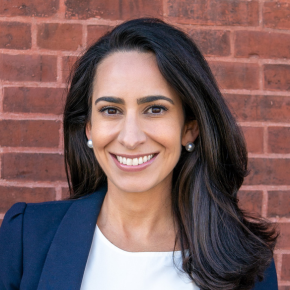
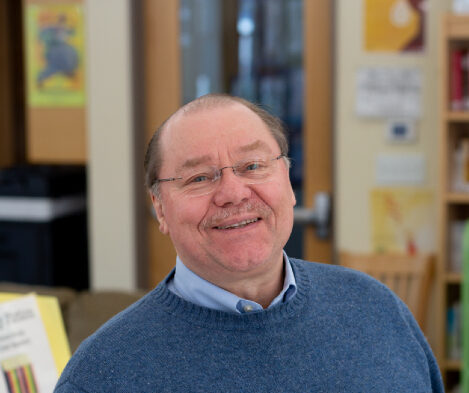
with Nicole Coman and William “Biff” Maier
How do we learn to talk about the things that make us different, especially when those conversations feel uncomfortable?
Award-winning journalist Michele Norris joins Biff Maier and Nicole Coman to explore the stories we carry, the assumptions we inherit, and the conversations that can help us understand one another. Through her Race Card Project, which invites people to express their experiences with race in just six words, Michele has collected hundreds of thousands of personal stories from around the world. She shares what those stories have taught her about identity, trust, and the value of listening beyond our own experiences.
The conversation also turns to children and education. Michele explains why children notice differences earlier than adults sometimes assume, why schools have an opportunity to help young people learn to live and work across differences, and how teachers can create spaces where difficult conversations feel both safe and brave. She also reflects on researching her father’s largely unspoken history and on the family kitchens where food, memories, and everyday rituals shape who we become.
Together, they discuss:
- How six words can open the door to difficult conversations
- What the Race Card Project has revealed about identity and belonging
- Why children need opportunities to explore differences rather than learn to avoid them
- How teachers can approach conversations about race with curiosity and care
- How listening across disagreement can build trust
- Why family kitchens and shared meals can become powerful places of connection
Whether in a classroom, a workplace, or around the dinner table, understanding one another begins with making room for each other’s stories.
00:00:02:17 – 00:00:12:03
Nicole
Welcome to Educating the Human Potential. The podcast about optimizing education for a better society through a montessori lens. My name is Nicole Coman.
00:00:12:03 – 00:00:38:17
Biff
And I’m Biff Maier and we are joined today by Michele Norris. Michelle is a decorated journalist, wrote for the Washington Post, the Chicago Tribune, and the LA times before she started working in broadcast journalism. Her coverage of the 9/11 attacks for ABC news earned her both Me and Peabody Awards. She co-hosted All Things Considered for nine years.
00:00:38:19 – 00:01:11:14
Biff
She was in opinion columnist for The Washington Post until 2024, when she stepped away when the post withheld a presidential endorsement. She’s been a senior contributing editor for MSNBC since 2024. Her family memoir, the Grace of silence, was published in 2010, the same year she created the Race Card Project, encouraging people all over the world to share in just six words, their thoughts and their experiences on race.
00:01:11:16 – 00:01:44:10
Biff
The Race Card Project won the Peabody Award in 2014, and and her book about the project, Our Hidden Conversations, came out in 2024. And these days, Michele Norris hosts a weekly podcast, Your Mama’s Kitchen, in which she combines guests early food related memories, stirred gently with her warm listening skills to explore how these stories have shaped their lives.
00:01:44:12 – 00:01:48:02
Biff
So welcome, Michelle, we are delighted to have you.
00:01:48:03 – 00:01:51:12
Michele
I am so happy to be here with you. Thanks for having me.
00:01:51:13 – 00:01:54:02
So let’s get started with.
00:01:54:04 – 00:02:07:18
Nicole
If we can just jump in. I’m fascinated about the race card project. And so for our listeners that aren’t familiar with it. Tell us a little bit about what what inspired you to come up with this concept? I.
00:02:07:20 – 00:02:34:14
Michele
As Biff mentioned, I wrote a book, a family memoir, exploring my family’s complex racial legacy. And this was in 2010. And even though America was at that time talking about becoming post-racial, conversations about race were still they still are today. But still, you know, it’s hard to get people to have an open conversation. And I was still hosting at NPR then, All Things Considered, and I was on sabbatical, and I was on a 35 city book tour.
00:02:34:17 – 00:02:59:08
Michele
I was about to embark on a 35 city book tour, and I was really worried that I was going to face audiences and talk about my story, which was about my family’s racial legacy and that that I, I wanted to engage with audiences because I had a chance to get outside of the booth. You know, I spent so much time in a booth hosting a show two hours a day, five days a week, that this is my chance to go out and engage with people at a really interesting moment in America.
00:02:59:09 – 00:03:30:15
Michele
We had just sent a black family to the white House, and I thought, how am I going to lubricate that conversation? How am I going to get people to engage? Because my experience had been when you try to have a conversation about race, it often shut people down. You know, people were afraid to enter that space. And so the idea was to invite people into the conversation through an exercise where I asked them to think about the word race and then try to try to compile one sentence that had only six words.
00:03:30:17 – 00:03:54:01
Michele
So race your thoughts six words. But they were postcards. They were little black postcards. And I, I started to distribute them. And the first 200 I decided to them, first 200 of the ones I distributed came back to me in the mail, or people would hand them to me if I was at, a book party or a book reading.
00:03:54:01 – 00:04:12:12
Michele
And then I printed thousands of them, and I got my publisher to print them. And before Nicole, I was the Pied Piper of Posca, of postcards. I was leaving them everywhere I went. I was leaving them at the airport in a seat. I was leaving them in the little marsupial pocket in front of you when you’re on an airplane.
00:04:12:12 – 00:04:34:02
Michele
I was leaving them in the nightstand at the hotels I was staying at. If I went to Starbucks, I was leaving them at the sugar station. I was leaving them inside menus at restaurants. And then whenever I did a book talk, everyone in the audience got one. And they started to come back to me, and I realized that I was wrong about race.
00:04:34:04 – 00:04:58:01
Michele
I created the race car project because I thought no one wanted to talk about race, and I created an on ramp that allowed people to do just that. And so the intentionality of the cards is what really made me realize I got to keep going with this because people would find a stamp, write their story, find a postcard that they had at the bottom of their bag, or that they put in their back pocket.
00:04:58:02 – 00:05:24:00
Michele
Find that stamp, find a pen, and then go find a mailbox and send it back to me. And they were they were really interesting. And then we created a website about a year end because, we wanted people who didn’t have access to me or didn’t find a postcard to submit. And when we created the website, we added two more words on the form and we said, give us your six words.
00:05:24:00 – 00:05:42:12
Michele
But anything else you know, is there something more you want to say? And then things got interesting because they’d give us the backstory. So here we are 16 years later, and we’ve collected more than 700,000 of these cards from all 50 states and more than 100 countries. And in many cases, we don’t even know how they find us.
00:05:42:14 – 00:06:08:09
Michele
You know, they trip on it on on Google. They hear about it from a friend. It’s used in schools all across the country for teachers who want to either, stoke an interesting conversation or use it as a writing exercise. And, and so that’s where we sit. Now, this kind of crazy project that I created with Melissa Baer, who’s been with me for 16 years and my partner in this, endeavor, she was at her kitchen table.
00:06:08:09 – 00:06:21:12
Michele
I was in the attic in my house, which is where I would write. When we lived in that house and and we, you know, created a vector for people to participate in a conversation that I thought no one wanted to talk about.
00:06:21:13 – 00:06:53:21
Biff
I think it’s really interesting when you look at those, that there are themes that, of course, that show up, but there’s also a tremendous diversity of, of responses. But I, I, I’ve been intrigued that about how many people, express their confusion about their identity. You know, and, and their frustration with the confusion that other people express about their identity.
00:06:53:23 – 00:07:08:02
Biff
That and it seems like you get an awful lot of, of six word statements from white people about their their confusion about race.
00:07:08:04 – 00:07:28:12
Michele
Their confusion, their memories, their anxieties, their triumphs, all of it. You point to something that still confounds me to this day. I created the race car project because I wanted to stoke a conversation about race, but when I did it, I fully expected that most of the people who would pull up to the proverbial table would be people of color.
00:07:28:13 – 00:07:45:08
Michele
Because, you know, when we have conversations about race, they’re often by for about people of color. And let’s admit in our, in our workspaces, when we have people about race, it’s usually like Brenda what do you think? I mean, it’s usually you turn to the person of color, you know, and expect that they will lead the conversation.
00:07:45:10 – 00:08:21:14
Michele
The surprising one of the many surprising things about this. You know, I begin with the surprise that people actually participated. But one of the big surprises is that in the majority of the years that we have been collecting these stories, the majority of the stories have come from white people, white Americans, white people from around the world. And this this is confounding and it’s surprising, and it is, counterintuitive because that’s not usually what happens when we have conversations about race.
00:08:21:16 – 00:08:42:15
Michele
And I don’t know what some point I would love to partner with an academic to try to examine why this happened. At beginning, I thought it was because I worked in public radio and the majority of our audience is white. I haven’t been on public radio in a decade, so that is not the explanation. It could be modeling that people see.
00:08:42:15 – 00:09:05:15
Michele
Oh, other people have shared their stories so I can to, And it’s not, you know, it feels like a safe and a brave space, but, you know, the the conversations that that this stokes are sometimes kind of prickly and people come anyway. And it’s not just, you know, liberal Americans, NPR listeners, it’s it is allowed me to talk to people who I might have a hard time accessing.
00:09:05:17 – 00:09:28:22
Michele
So people who are part of the MAGA universe, people who are deeply conservative, people who are, you know, we have we have submissions that come from people who are Wiccan, you know, a type of, I don’t I don’t know if it were technically be called a religion, but, a spirituality practice that I don’t know a lot about.
00:09:29:00 – 00:09:46:07
Michele
And it’s a window, you know, into that. And we have several cards from people, and this is from people of all races, but just another example of the windows that it allows me to peer into people from the military. We’re getting a lot of cards from the military right now, and I don’t know what’s happening because they’re coming from all over the country.
00:09:46:07 – 00:10:18:08
Michele
So it looks like it’s not one base or one cohort that’s stoking this. But we are a nation at war. So it could be that, you know, that that’s why it’s happening. But it’s allowed me to peer into that culture also and realize how difficult reentry can be, regardless of your color. If you’re if you’ve been in a theater of war, if you’re if you’re a member of the military and it’s and that is your identity vector and you go into a workspace and, people expect certain things of you or people don’t understand your experience or you don’t have people to talk to.
00:10:18:09 – 00:10:37:00
Michele
And so it’s it’s it’s been more valuable to me as a storyteller, as someone who tries to examine the human condition. Then most classrooms that I’ve been in and many newsrooms that I’ve been in, it has been a constant daily education for me. When I go to the inbox and see what’s come over the transom.
00:10:37:02 – 00:11:10:23
Biff
You know, I wonder whether you would have gotten the same kind of response 25, 30 years ago, when I don’t think people thought of themselves as white, you know, I think they thought of themselves as confused about their ethnicity. But they didn’t, you know, they they thought of themselves. I, I remember, at one point. You know, people thought of themselves as normal if they were white and everybody else was something else.
00:11:11:01 – 00:11:14:20
Michele
And I think that that’s still that that hasn’t completely gone away.
00:11:14:22 – 00:11:15:13
Biff
00:11:15:15 – 00:11:24:12
Michele
You know, whiteness as a default in America. Yeah. I don’t, I don’t and particularly, you know, right now, I’m not sure that that’s gone away. But your question. I’m sorry I interrupted.
00:11:24:12 – 00:11:50:09
Biff
You know, I’m just curious about whether there was many people who who thought about the white experience. I mean, I remember as a kid thinking about trying to figure out, you know, I guess I’m German, I, you know. Yeah. And I, I didn’t know how to talk about my identity until I started sort of confronting the white experience.
00:11:50:11 – 00:12:10:05
Michele
Well, the white experience is something much like the black experience or the Asian Deira diasporic experience. You know, all of it has changed over time. And again, this has helped me understand that whiteness has, in America, been seen as the default from, you know, the very beginning, because of the laws and the privileges and the customs and the assumptions attached to that.
00:12:10:06 – 00:12:41:21
Michele
We think about whiteness in a different way now as a racial cohort, in a way that we haven’t in the past. Right. There are whiteness studies courses that you can take in college. I don’t think you would have seen that 20, 20 years ago, but what you might have seen 40 or 50 or 70 years ago is whiteness experience in a different way that was more tied to ethnicity because through immigration to America, I mean, America as a country were almost everybody came from somebody else.
00:12:41:21 – 00:13:11:20
Michele
Unless you’re indigenous. And in the early waves of European immigration, people didn’t necessarily see themselves as white. First. They saw themselves as attached to the country of origin. Right. You know, in their in their ancestral lineage or their community. So where people now would check a box that says white, either, you know, sometimes because of the census, the census would delineate in that way.
00:13:11:22 – 00:13:37:17
Michele
There were certain classes of white people who had white with an asterisks Irish, Italian people who were Eastern European or from some of the Slavic nations. But even if they weren’t filling out a form, if you asked them to identify themselves in terms of identity, they might say, I’m Romanian, I’m Lithuanian, I’m German, I’m because that’s that was still a part of their culture.
00:13:37:17 – 00:14:00:16
Michele
And then a lot of people then sort of matriculated into this big category of capital w whiteness and lost some of those ethnic markers in terms of language, in terms of customs, in terms of food, and, and not necessarily in terms of pride, but in terms of the way that was expressed, because so many people wanted to become American.
00:14:00:18 – 00:14:34:16
Michele
And, you know, lots of people have written about this. Joe DiMaggio writes about this, branches. Ford Coppola writes about this. You know, that this quest to become American meant, Beverly, the edges of your ethnic identity to become a, you know, part of that kind of all American idea. And a lot of people of color were locked out of that because they could not matriculate into whiteness, but they still pursued it nonetheless, you know, in their dress and in their music and certainly in the way that they tried to comport themselves and that soul sort of, you know, idea of the model minority kind of comes into that.
00:14:34:16 – 00:14:35:20
I love the idea.
00:14:35:21 – 00:15:10:06
Nicole
That when you said earlier that this became a writing prompt in school. So some schools are utilizing the race card project. And I that got me thinking about, you know, schools are often the first time children are encountering people that are different, have different backgrounds, different. And it’s an opportunity to talk about different backgrounds and culture. So I’m wondering what are your thoughts on that in terms of what do you think schools have, what’s their responsibility in kind of allowing kids to learn about each other from a very young age?
00:15:10:10 – 00:15:11:10
Nicole
I, I.
00:15:11:12 – 00:15:28:20
Michele
I’m glad that you put it in that way, because it challenges me to think about it a little bit differently, the responsibility. Because we wrestle with that. Right. We have this you know, on one hand people think well let the kids, kids are colorblind. Let them just come together and play with each other and learn from each other.
00:15:28:20 – 00:15:47:18
Michele
And let’s not, you know, force this idea of race on them. One of the things that I learned, because when things come over the transom, sometimes I will go in and do research on this. And I’ve actually talked to researchers about this. Kids aren’t colorblind. They actually aren’t. They are very attuned to the differences in their world. And that starts very early.
00:15:47:18 – 00:16:09:13
Michele
And, you know, and I think you certainly understand this in Montessori education. And Maria montessori talked a little bit about this, but they they are so attuned to the differences in their life because they’re trying to make sense of things. You know, so hot, cold, big, small inside, outside. We tell them, use your inside voice when you’re inside and use your outside voice on the, you know, when you’re at recess.
00:16:09:13 – 00:16:41:13
Michele
So they’re constantly making sense of the world through noticing differences. And they notice that in people too. And and it was it’s been fascinating to me over time to talk to researchers about this, you know, and what they’re finding about that, and then figuring out how schools can apply that so that race doesn’t have to be this, like tricky, icky, toxic thing that we talk about, but rather an opportunity to explore different cultures and to explore, you know, how we live in the world and this idea that they don’t notice.
00:16:41:14 – 00:17:11:10
Michele
I mean, there’s one researcher I talked about who, who talked about how kids and and they notice it what age kids, kids are, are aware of race and then at what cage, what age. They’re aware of the toxicity around race. So like at certain or certain ages, if a man walked into a room and they would have man of different colors walk into a room and they would have white men walk into a room with largely kids of color and the opposite, a person of color, walk into a room with largely white kids, and they would get the kids to describe them.
00:17:11:10 – 00:17:31:17
Michele
And at younger ages they would describe that person. And it was usually a man in great detail, including his skin color, including his hair texture, including, you know, the way he walked. And then at a certain age, they would they would describe him. He wore a blue suit. He had great trousers on, but you couldn’t get him to the kids to talk about his skin color.
00:17:31:23 – 00:18:01:16
Michele
You couldn’t get them to talk about the racial markers, what his eyes look like. And then when you started giving them rewards, you get a cookie. You get an extra 15 minutes at at recess. You get, you know, the group that does this will get snickerdoodles at lunch. Remember? Snickerdoodles. And and they couldn’t get them to do that because they realized that what they were learning from the adults in the world, that race, that talking about race carried a cost, that there was some sort of minefield.
00:18:01:19 – 00:18:27:18
Michele
So you talk about the responsibility of schools. I guess when you talk about the responsibility, I would frame it as the opportunity for schools to actually allow students to learn from each other, to learn how to live with each other. I personally think this is my personal opinion, but I believe in it very strongly that one of the greatest gifts, one of the greatest lessons, one of the greatest skills.
00:18:27:20 – 00:18:52:12
Michele
And I use that word carefully. Skills that we can give young people today is to learn how to lead people who don’t look alike, and people who don’t agree with each other. And sometimes they don’t agree with you because they don’t look alike, but sometimes they just don’t agree with each other because they come from different backgrounds. Because in a multi-ethnic America, that skill is going to be so necessary.
00:18:52:12 – 00:19:13:01
Michele
And we don’t treat it as a skill. You know, when it happens, it happens by accident, like a like think about college coaches. It’s perfect example, right? We think they are just magic because we know that in many cases, look at the NFL, the ownership structure of the NFL and the players. They come from different worlds and politically they don’t agree with each other.
00:19:13:01 – 00:19:39:21
Michele
And sometimes in terms of culture, they don’t agree with each other. But man, every Saturday, every Sunday they get on that field and they fly under that flag and they’re one team. And and we just like those coaches are that something magical about that? It’s not magical. They work at that. They work really hard at it. I don’t know if you’ve seen the videos that go around right now if you’re on social media, but these videos where the the coaches and they do it in several teams now, where they’re sitting in what looks like a classroom and they get up and they do karaoke.
00:19:39:23 – 00:19:40:14
Nicole
Oh yeah.
00:19:40:19 – 00:19:54:20
Michele
I have you seen those? Yeah. You think that they’re just having fun and someone gets up and sings a song, and then the other guy is all singing with them and it’s, you know, the black players are singing the country music, and the white players are rapping with everybody else and singing love songs, and they’re having a good time.
00:19:54:21 – 00:20:16:15
Michele
That is purpose. That is done. It’s purposeful, it’s purposeful. You’re reading and you’re you’re you’re reading into someone else’s world. You’re participating and you’re seeing over the fence and you’re you’re team building. And so if we look at places where that works and realize that’s a skill set, they’re doing it intentionally, then how do we bring that into the workplace?
00:20:16:15 – 00:20:36:15
Michele
How do we bring that into the school management culture? Right. How do we bring that into the teacher’s lounge? How do we bring that into the hospital? Because hospitals are so diverse, you know, how do we make sure that everybody can grow in the same direction when they’re all different and they bring different traditions and different skills and different outlooks in the world, and, yes, different political viewpoints.
00:20:36:15 – 00:20:57:18
Michele
And so we don’t train young people to do that. In fact, the messages they get from us is you better not talk about that. Oh, we better stay away from that subject. And they can’t run away from that subject. And whether you run a hospital or or a diner in Wyoming that has six employees, everybody’s not going to get along.
00:20:57:20 – 00:21:17:19
Michele
And so to figure out how to manage that and how to create spaces where people can bring their authentic self to work, but maybe leave something at the door so at least people can get along with each other and figure out how to roll in the same direction. I do feel that schools have more of a responsibility to do that than perhaps they’re taking on.
00:21:17:19 – 00:21:40:01
Nicole
But with that, what advice would you give for teachers that are worried when they’re talking about race and they’re having these conversations in their classroom, but they’re worried about saying something wrong or something that might become divisive, you know, and I imagine a lot of teachers feel that way. And so what advice would you give to them when they’re starting these conversations with their students?
00:21:40:02 – 00:21:53:23
Michele
I totally understand it. I mean, I, I feel like during this project, doing this work is like juggling chainsaws all the time. You know, there you are, walking through, through a minefield. And so I do want to make one distinction. Talking about race is different than talking about racism.
00:21:54:01 – 00:21:55:02
Nicole
00:21:55:04 – 00:22:17:17
Michele
Those are two very different things. Talking about race is talking about in some cases the composition of the room. And so you can one way to inoculate that is to say that we’re different. And you may hear something that you don’t like. And we want to create a space that is both brave and safe. And so if there’s ever a moment of discomfort, please say something to me.
00:22:17:19 – 00:22:38:12
Michele
Know that I enter this space with good intentions. And if I say something because in cancel culture, you know, people taking you know, we’ve seen this in colleges particularly and sometimes in high schools filming something and then putting it out on the web. You know, sometimes it’s beneficial to say, I come with a good heart, I come with curiosity, and I may make mistakes.
00:22:38:18 – 00:22:57:18
Michele
I may say something that is double headed or may actually be offensive to you. And if I do, that is not my intent, and I apologize in advance. And I want you to tell me, because we’re going to work through that if that happens. You know, another way to do that is to tiptoe into the space. So instead of saying, today we’re going to talk about race.
00:22:57:20 – 00:23:21:07
Michele
You know, maybe it is, an examination of cultures. Everybody brings something to school today that tells you something about the culture that you come from, and then you’re just having a conversation that looks at food, that looks at, you know, something that people put on the door that they touch before they enter the house, that looks at the hats that people wear or a certain kind of, centerpiece that someone has on the table.
00:23:21:07 – 00:23:42:22
Michele
That’s that’s creating a space that’s safe and a little bit brave because you’re opening a conversation. One of the ways we know the project is used in classrooms is that teachers are just letting kids use the six word project to talk about themselves. Tell me about your identity. How do you see yourselves in six words? And then, you know, we’re going to have a conversation about that.
00:23:42:22 – 00:24:02:17
Michele
But if you do that, you have to let people know. If you don’t want to do it, that’s okay. If you’re not comfortable, you know, that’s okay. If someone says something. And you see when we’re talking about this and it’s triggering to you, you can tap out, you know, because again, you want that brave space and that safe space.
00:24:02:21 – 00:24:25:02
Michele
And sometimes teachers really just lean into it. And we know that in the wake of the work that we do is, is like, it is captured so many things and we can talk about that later. How so many things that’s happened in America have been captured within these, these stories, almost like the tree ring that captures, you know, the environment, the surrounding environment.
00:24:25:03 – 00:24:47:21
Michele
So like after school shootings, people use this as a way to calm students to talk about. They said of talking about race. They talk about what makes you feel safe. You know, can you get six words? So you use the six word exercise, but you’re not talking about race. But if you are talking about race. In another example, after police shootings, people have used teachers have used this.
00:24:47:22 – 00:25:09:02
Michele
And and that has been tricky space because I talked to in, in I can think of three cases where I’ve actually talked to teachers because sometimes I’ll reach out to them and say, tell me about your experience. How did you use the project? What did you learn? And at least three cases we’ve heard from teachers who said when that happened, you had students who were upset.
00:25:09:02 – 00:25:29:09
Michele
They were outraged. They didn’t feel safe because they looked like the person who was the victim in that police shooting. But then you had people who had law enforcement in their family, and this was a very uncomfortable moment for them because everyone is talking about how they want to. They don’t trust the police, they want to defund the police.
00:25:29:09 – 00:25:50:03
Michele
They are very upset with the police. And these are kids who go home and there’s a police officer that sits at their table. There’s an uncle who shows up at at Thanksgiving who’s a police officer. There is someone in their family whose she’s a state trooper, and now they’re worried about her. And in all three cases, they said it was deeply uncomfortable and what they thought was going to be.
00:25:50:04 – 00:26:09:13
Michele
In one case, she said they thought it was going to be a one day exercise. They came back and they they opened that can every day for a week. And until she felt like everyone had their say and heard each other and felt like. And she said at the end, what she developed was trust. And we in the work that we do now, we have a name for it.
00:26:09:14 – 00:26:32:10
Michele
We’ve done this so often that we now call it the trust Dividend, that if you’re able to have a difficult conversation and if you’re able to stay at the table even when people don’t agree with each other and even people get uncomfortable, you build something called a trust dividend that you can cash later on that will make you stronger as a community because you survived something together.
00:26:32:12 – 00:26:58:03
Michele
And we’ve seen it in schools, we’ve seen it in the military where they’ve used the race card project, we’ve seen it in law firms, we’ve seen it at the Justice Department, where we were called in in a previous administration to do work with them when they were going in and they were doing they were going into communities after a series of these police shootings and and the very thing that there are people of color who felt one way and there were long time law enforcement who felt another way and felt like the people were pointing a finger at them.
00:26:58:03 – 00:27:13:13
Michele
We’ve seen it in museums where we have done quiet work with the the curatorial staff and, you know, and it’s not always about race. I mean, in one museum that we worked with and a lot of places we work, we have NDAs. We can’t talk about the work. But in this museum, they allowed us to talk about the work.
00:27:13:13 – 00:27:41:12
Michele
It was the Carnegie Museums in Pittsburgh. And they they all four of the Carnegie Museums participated in the race card project and did a full one day, ten hour exercise where people talked. And then we went back and we went back again. And one of the things they realized is it wasn’t just about race, but they had divisions in the building that were deep and wide and prevented them from being as effective as they could as an organization.
00:27:41:12 – 00:28:03:09
Michele
The example I’ll give you is the curatorial class and the people who actually mounted the exhibits. So the curatorial class, largely women, some men, but largely women. They went to one of six universities for the most part, they often dressed a certain way, clunky jewelry, a lot of Eileen Fisher. This is not a stereotype. It just was, you know, happened to be true.
00:28:03:10 – 00:28:41:02
Michele
And, and, and the class of people who actually mounted the museums hung the modern art and the Andy Warhol Museum, put together the dinosaur bones in the museum of, of Natural History, you know, put together the lighting in the art museum. And what they realized is those groups worked together but didn’t trust each other. And and they finally came together and talked to each other, and, and it was a dividend that then paid off for them later on.
00:28:41:04 – 00:28:59:08
Michele
In a very divisive political moment, because a lot of the people who were in the class of people who carried all the keys on their pocket and honored the exhibits, they were often third and fourth generation. Their dads did it. Their grandparents did it. When Carnegie created these museums, he often set aside those jobs. And then there was even divisions there.
00:28:59:09 – 00:29:31:03
Michele
Set aside those jobs for, Scots. You know, who who were like him. They got the better jobs, union jobs, better pay. And the Irish, you know, clean the building, work the grounds. So there was another division there because their fathers and their and grandfathers did that and they didn’t get along with each other also. But the curatorial class realized that the men who had all the keys and they were, again, largely men, more than 90% new paleontology, you know, on their own they would check out the books from the library to learn about those dinosaur bones.
00:29:31:03 – 00:29:53:15
Michele
And they, they, they studied art history so that they understood. And and that blew the curatorial class away. Right. They weren’t expecting that. And the groups finally came together and talk to each other. And we’ve heard that to this day they have a different relationship. And even and we when we do this work, we also insisted that everybody be included.
00:29:53:15 – 00:30:18:07
Michele
So the groundskeepers were there, so the security guards were there. They closed for the day so we could do this. The kitchen staff came and it turns out they knew everything because they watch and they see everything. And so they they realized that they had a resource there also, you know, that would help improve the customer experience because they watch everything they understood, you know, where the choke points were in the museum experience.
00:30:18:07 – 00:30:46:17
Michele
And and so if you can figure out to go back to your question about responsibility, it’s kind of like a using the word get to instead of have to, you know, do I have to do this or do you get to do this? And when we are involved, when people bring us in to do this kind of work or they ask us about doing this kind of work, you can either approach a conversation about race or even a conversation about racism and divisions and bias.
00:30:46:19 – 00:31:07:16
Michele
You can approach it from a vantage point of this is something I have to do. It’s like an eat your peas assignment. I have to do it. So I’m going to grind my way through it, and I’m going to just hold my breath until I get to the other side. Or you can approach it differently. This is something that I get to do, and I get to grow from it.
00:31:07:18 – 00:31:22:04
Michele
And I will experience some growing pains and maybe some indigestion. But I’m going to be smarter, wiser, more nimble on the other side of this, because I’ve learned something that otherwise might not be available to me.
00:31:22:05 – 00:31:43:18
Biff
That’s great. You know, I think it’s a little easier for teachers, now, because there’s so much good literature. I mean, you can use picture books and, and all you have to do really is read the story and then be open to what children have to say in response to having heard that story or having looked at those pictures.
00:31:43:21 – 00:32:17:09
Biff
And the conversation opens. But I you know, I when you were talking, I kept thinking about a few of the six word cards that were sent to you. And one of them that struck me right away was my face judged before my voice, which, I think encapsulates one of the things you were saying. And then the other one, the other I, the other ones that jumped out at me were the ones written by parents who are worried about.
00:32:17:09 – 00:33:04:12
Biff
They’re worried about their kids. My children won’t rob you, you know, or, mom, why do they hate us? You know, I, I, I just think, the the the power of the parents voice and I then I wanted to go, I want this is an intensely personal thing for you also, I think, I when you were talking about your about the experience of a kid whose father is a policeman, it made me think of how interested you were in the experience of the policemen that were involved in your own.
00:33:04:13 – 00:33:06:12
Biff
Your own father’s arrest.
00:33:06:14 – 00:33:07:09
Michele
Yeah.
00:33:07:11 – 00:33:13:22
Biff
And I wonder if maybe you could tell that story a little. Yeah. And its significance to you?
00:33:14:00 – 00:33:38:01
Michele
I discovered as an adult that my father, who who died many years ago, I discovered long after he died from an uncle that when he was young, when he had returned from his service in the military, he was going to a building where servicemen would go to learn about the constitution so they could pass the poll test to register to vote after World War two.
00:33:38:03 – 00:34:04:01
Michele
This is in 1946, and a police officer tried to stop him from entering that building because in Birmingham, Alabama, which is where he was from, they were really worried about large numbers of people registering to vote, large numbers of black people registering to vote, because that would change the political calculus. They were not ready for that. And then there was a lot of tension around black soldiers returning because they returned.
00:34:04:02 – 00:34:25:19
Michele
They walked a little. They walked a little taller, having been in the military, having worn that uniform. And my father was just days back when this happened and police officer tried to stop him from entering the building. And this is unlike my father’s. I had a hard time imagine him doing this, but he stood up and he for himself and said that he had a right to enter this building.
00:34:25:19 – 00:34:47:02
Michele
It was a Pythian temple. A black owned building still stands today, where they were holding these classes for returning servicemen to learn about the Constitution. And he was not only arrested, he, a police officer, discharged a gun and it hit the side of his leg. And and I never knew about this. It turns out all the older relatives in the family knew about it.
00:34:47:02 – 00:35:04:17
Michele
They just stopped talking about it because the. My father moved north to Chicago as part of the Great Migration. He had five brothers. All six of them eventually moved north and got out of Alabama. They all knew about it. The older relatives, some of the older cousins, knew about it. My dad didn’t talk about it. He didn’t even tell my mom, but he did have a scar on his leg.
00:35:04:18 – 00:35:31:10
Michele
He did walk with, He walked in a certain way that I just always was that kind of a black man. Look, you know, I just thought it was just a little. A little bit of a little something in his walk. But it was actually a result of of this wound that he had. And when I went back to research this, to try to learn as much as I could about what happened on that night at the Pythian Temple, I was able his brother was with him.
00:35:31:10 – 00:36:03:06
Michele
My Uncle Woodrow, my Uncle Woodrow had passed also by the time I had learned this. So I couldn’t talk to him. My Uncle Joe was the one who told me about it and remembered it clearly and gave me details. And I went to the the, I was able to archives in the alla and the Birmingham Library with the help of a wonderful archivist named Jim Baggett, who I just so deeply appreciate, was able to find the arrest record, and was able to find family members of Mr. Beaton who was with him, who family that lived down the street from my grandparents and Birmingham.
00:36:03:06 – 00:36:28:14
Michele
But what I was also able to find is the officer’s names, the four arresting officers. And I tried to find all of them and tried to find as much as I could about their lives. And this is where it’s it’s interesting, you know, this is where it’s really worthwhile to dig into history, because I learned so much about what their life was like and what life was like to work under Bull Connor’s police force.
00:36:28:16 – 00:37:08:12
Michele
We got to know Bull Connor much later in the 1960s. But this police force was, you know, that we would later that would become internationally known was kind of forming at that point. And they were kind of a ragtag group of people. They the, the, most of the men were went off to war. And so the people who were in the police force were the ones who couldn’t go to war because they had medical conditions, because they had records, because they had flat, you know, whatever it was, they, they, they so they were really feel in some kind of way about these proud black soldiers who were returning, wearing their uniforms, often wearing
00:37:08:12 – 00:37:30:04
Michele
their uniforms. I learned because there weren’t enough clothes. There was a clothing shortage during the war because factories were producing military uniforms, or they were and there weren’t a lot of men because so many were at war. So department stores didn’t clarrie as much men’s clothing. And suddenly all these men returned from World War two, and they’re one enough men’s clothes.
00:37:30:06 – 00:37:45:18
Michele
So, I mean, like a detail, like people were not buried in their suits because they repurposed them like you would. You would see them at the wake, but then they take the suit off and then would be used again because they need. So a lot of times the men returning servicemen were wearing uniforms, not because they were trying to strut or show off.
00:37:45:23 – 00:38:14:02
Michele
It was because they’re they’re literally weren’t enough clothes for them, you know, to where for a for about an 18 month period. And I wanted to learn about those officers and they were they were gone at that point. But I was able to find in a couple cases, people who were on the force at that time and learned that they the, the people, the because the, Birmingham, as you as you may know, was the center of steel production.
00:38:14:04 – 00:38:45:11
Michele
So it was humming during the war and they had a very robust, security system at US steel and at the other blast furnaces because they were worried about espionage and they were worried we were a nation at war. And so the of the men that were left behind that didn’t go to war, the strongest among them went to work in security for the factories, where they were much better paid, and they had shiny uniforms, and they were badges that were like ridiculously big.
00:38:45:11 – 00:39:04:21
Michele
And they were so proud. But so the police officers were kind of this ragtag bunch, and they had to buy their own guns, and they often bought their guns on what we would call layaway. So for the first several months that they worked, their salary didn’t go to their families. The percentage of it went to pay for their firearms.
00:39:04:23 – 00:39:49:00
Michele
They had to contribute to their own gas. So it was just really interesting. You know what I learned about this group that told me a little bit about their mindset, right? And then trying to police and control a black population and Jim Crow America and just how, you know, and I’m not saying that to to necessarily, sympathy, you know, for them, but it just helped me understand their mindset and it help explain why, not just in Birmingham but throughout the South and even in and there was a case in, in New York where the Ferguson brothers returned from war and they were shot, people were shot, burned, beaten, maimed, blowtorch by police officers
00:39:49:02 – 00:40:07:02
Michele
when they returned from war, often because they were trying to register to vote. And when I researched my father’s story, I went deep into this, and I wound up finding one police officer that I write about in the book. There’s a whole chapter about him. His name was Officer Justice, if you can believe it. His name was Aubrey Justice.
00:40:07:04 – 00:40:19:16
Michele
And he was on the force at that time. And he, he talked to me about what it was like to be on the force, and he talked to me about what it was like to be in the room when they were bringing Doctor King in to be arrested one more time, you know, and. And how he knew.
00:40:19:22 – 00:40:48:08
Michele
Okay, guys, you know, we’re doing this again, you know, and and how they were they got to know Doctor King a little bit because he was, you know, repeatedly in, in, in jail. And it was just, you know, it is, I guess, an indication this long story that I’m telling you is an indication of the way I try to practice journalism, that I try to look at all sides of something and really look not just at what’s happening in the center of the frame, but also around the edges, because interesting things happen around the edges.
00:40:48:08 – 00:41:10:09
Michele
And people often focus just at what’s at the center of the frame. And I try to, you know, pull it back and, and, and, and look a little bit further, you know, look a little bit wider, widen my aperture. And when we published the book, the other thing that was interesting is we heard from some of the kids who were raised by police officers who worked for Bill Connor.
00:41:10:11 – 00:41:32:09
Michele
And wow, was that mind blowing. Well, because they talked about what it was like when their dads came home and how how broken they often were. And they drink hard. In many cases, they, the world changed, you know, when the world changed, they they didn’t leave the police force. They they had to figure out how to change.
00:41:32:09 – 00:42:14:23
Michele
Along with the world in Birmingham didn’t change overnight, but that premiered of cultural vertigo, produced, you know, people who were very broken and their kids watched, you know, their their kids saw it and their kids then went on to become, like my age, become part of the generation that experience integration in the world, that they saw when they went to the mall and they saw eventually when they went to schools and they experienced in their workplace, and they were raised, by men who were the enforcers of Jim Crow and I and, you know, we know a lot about Bull Connor, but we don’t know a lot about who we was as a
00:42:14:23 – 00:42:29:16
Michele
person. We don’t know a lot about that police force. And when you look at those, you know, the PBS documentary eyes on the Prize, we know a lot about those kids who got the, you know, the guns and, excuse me, the dogs and hoses. We’ve learned a lot about them, but few people have actually looked at the other side.
00:42:29:18 – 00:42:53:17
Michele
And if we want to move forward as a country, I think it’s worth looking at the other side not to, you know, look for sympathy necessarily, but to understand the syllabus of hatred and, and understand why people as a group will embrace a social creed that is completely antithetical than the teachings that they hear at church on Sunday morning.
00:42:53:19 – 00:43:08:22
Michele
That is completely antithetical to the little signs they have up in their house with Scripture. You know, how how do we get to a place that that happens? And sometimes you have to go, you know, root and branch to understand that. And I was able I’m glad that through this work I have an opportunity to do that.
00:43:08:23 – 00:43:51:06
Biff
Well, I, I just think you are masterful at finding ways that people can reveal themselves. You know, the six words is one way and your mama’s kitchen is another way. When I it’s extraordinary how people step forward when they’re having conversations with you. And I think, you know, so, I mean, I connect that to what you were saying about how about the way you want to do journalism and, you know, to to find the things around the edges and to to get to what really makes people tick.
00:43:51:07 – 00:44:22:00
Biff
And I, I mean, I assume that some of the, some of the motivation for this comes from you. You’re looking back at the things you didn’t know, things like, you know, your father’s arrest and, and wound and you know, the things they didn’t talk about. But I’m just so impressed with your strategies for ways of getting people to break those, those silences down and communicate with each other.
00:44:22:02 – 00:44:22:19
Nicole
Agreed.
00:44:22:22 – 00:44:36:19
Michele
Well, you know, your mama’s kitchen began with, my work in as a as a radio host, right? You know that? And someone informed me I did this for the longest time before I realized. Tell me about your mama’s kitchen. Is six words I didn’t.
00:44:36:22 – 00:44:38:08
Nicole
Oh, look at that.
00:44:38:12 – 00:45:00:03
Michele
And every episode begins with that simple question. But, you know, when I was a a host at NPR for ten years, when we interview people, we have to get them to talk a little bit to make sure the levels are strong. And I have my voice is a little bit smoky and low, so I can my voice can be overwhelmed by someone, so they have to match the levels.
00:45:00:03 – 00:45:03:17
Michele
And so I’d ask people, Nicole, what do you have for breakfast this morning?
00:45:03:17 – 00:45:04:17
Nicole
Are you really asking me?
00:45:04:17 – 00:45:05:20
Michele
I’m really asking.
00:45:05:23 – 00:45:11:21
Nicole
Oh, I’m not the best person to ask because I didn’t have breakfast this morning. I had coffee this morning.
00:45:11:22 – 00:45:17:07
Michele
See, that’s the problem with that question. That’s what everyone asks. Tell me what you had for breakfast bef. What did you have for breakfast?
00:45:17:10 – 00:45:26:00
Biff
I had some homemade bread, and some wonderful teddies. Peanut butter and coffee.
00:45:26:02 – 00:45:35:06
Michele
See, we never had this host. We never had the person who had. I had homemade bread and avocado spread with watermelon, radishes and a drizzle of, you know, olive oil and lime we never had.
00:45:35:07 – 00:45:36:10
Nicole
He was prepared for that.
00:45:36:10 – 00:45:38:15
Michele
I think, you know, and he’s in his kitchen I think so.
00:45:38:17 – 00:45:40:10
Nicole
Yes, he is.
00:45:40:12 – 00:45:58:12
Michele
But we never had that. And so I had to come up with other ways to get people to talk so we could ride the levels and make sure that everyone sounded good, but also to get them kind of comfortable for the conversation. So I would ask like, what was your first summer job? Or for a long time I’d asked, use paper or plastic when you go to the grocery store.
00:45:58:12 – 00:46:24:04
Michele
But then plastic was banned and so I couldn’t ask that question anymore. And then I started to ask people, tell me about your mama’s kitchen. What was it like? And it got them to open up. And it was like rendering a pot because it would just take them into a different space. And even if it wasn’t a happy space, they just they shifted down in some ways.
00:46:24:10 – 00:46:45:18
Michele
And so even I was, you know, I talked to Lloyd Blankfein during the middle of the financial crisis, you know, and the economy is tanking. And it was going to be a difficult conversation. And I was going to ask him tough questions and began by asking him about his summer job and his mama’s kitchen and, and learned so much about him that was useful in the conversation that his dad made the money, but his mom grew the money.
00:46:45:18 – 00:47:07:14
Michele
And, you know, when, so it just that’s how the podcast started. I always wanted to host a podcast around that. And we asked that question to every, every, every single guest. And it goes in all kinds of different directions depending on the kitchen you grew up. And because the theory of the case is that we are shaped in fundamental ways by everything that happens in that space, and it’s not just food.
00:47:07:14 – 00:47:17:17
Biff
So in your mama’s kitchen, did you get to work? Did you get to, like, measure things and cut things and stir things?
00:47:17:19 – 00:47:44:13
Michele
I grew up with with sisters. So I two sisters and a lot of cousins, and they all lived in, like, a eight block radius. So we had houses that were my cousins were off and over, and my mom was a was an excellent cook. And one of the things I appreciated is that she let us experiment in the kitchen as long as we cleaned up because her kitchen was clean, clean and pristine.
00:47:44:13 – 00:48:00:08
Michele
And my dad was in the military because in the military, if you’re a man of color at that time, you either were a cook or a steward. And so my dad could throw down in the kitchen. Also, he was a very good cook. And and, you know, that military precision that, you know, the pans I mean, to this, you know, my mom, she’s gone now.
00:48:00:08 – 00:48:16:22
Michele
But when she would visit, she would always comment on how my pans were clean on the inside. But they had that black stuff on the outside. Yeah. You know that that I don’t know about your pants, but, you know, and she was like, why? Just take the time to make sure that the outside of the pan looks like the inside of the pan.
00:48:16:22 – 00:48:23:06
Michele
And I was raising kids at that point. And, you know, I was like, I don’t have time to do that. It doesn’t take that much time. So how.
00:48:23:10 – 00:48:25:14
Nicole
Do you how do you get rid of that.
00:48:25:16 – 00:48:40:06
Michele
Vinegar and baking powder and lemon and you let it sit and you do a whole thing. And now I feel like I’m going to be judging people come over and going to look at the bottom of my hands. I mean, but she let us play in the kitchen and she let us experiment and she let us cook.
00:48:40:09 – 00:49:02:04
Michele
She let us do art in the kitchen. She let us do crafts in the kitchen. And I realized that people have different kinds of kitchens. For some women. They didn’t want anybody in the kitchen. You know, that was their domain. My mom worked odd hours. And so I think one of the reasons she liked us to be in the kitchen with her is because she worked the overnight shift.
00:49:02:07 – 00:49:18:13
Michele
So she wasn’t with us and she didn’t do breakfast for us in the morning, except on weekends. So we and that’s a that’s an important kitchen time. I think about that with my own kids because my, my kids who were Montessori kids, by the way. You know I made breakfast for them in the morning. Morning was we sang songs.
00:49:18:13 – 00:49:27:22
Michele
I kind of set their mood for the day. And I think my mother was aware that we didn’t have that time together. So the kitchen was a space where we could have time on the other end of the day.
00:49:28:00 – 00:49:50:22
Biff
Yeah, I mean, I worry about, I think, you know, kitchens are filled with screens now and, there’s and takeout, you know, and the kids don’t have nearly as much of the experience of the smells and the and the, the operations of kitchens.
00:49:51:01 – 00:50:07:12
Nicole
And I was thinking about that, too, because as I was, I was thinking about my mother’s kitchen as, as, you know, we knew you were coming on. And I was just thinking what I would say about that, but what I, what I remember the most that was most important for us was to sit at the dinner table together.
00:50:07:14 – 00:50:27:21
Nicole
And I think about modern day families now. They’re busy. I don’t know that most people do this anymore. And I was thinking, has this come up on your podcast? Have people talked about the meaningful it is to have that gathering time together? And what do you think is so meaningful about that for families?
00:50:27:23 – 00:50:45:06
Michele
Well, you know, Covid forced us to do that. So first start of the podcast. We were just on the other end of Covid and people were saying, gosh, we had dinner together. It was great. I Nicole, I agree with you. I think dinner when when I hosted a show, I didn’t get off the air until six and often I couldn’t get home until late.
00:50:45:08 – 00:51:04:12
Michele
So it was hard when the kids were in a certain there was a ten year period where dinner was a little bit hard. So what I would do is I would cook on Sunday for the week and our sitter could get dinner started. So I and actually and it’s it’s at some point I will write a book about the kitchen just because of the show and because of all I’ve learned about the kitchen.
00:51:04:12 – 00:51:29:11
Michele
And it’ll be called probably better the next day, because almost everything you cook is better the next day. It’s nice metaphor for life, but I would cook on Sunday for the week and I would either cook something or set up something. So if a stir fry, everything was cut up, if it was, you know, something would be marinated and all you had to do is so my sitter or my mom, who would come and stay with us intermittently, could feed the kids at an early hour.
00:51:29:11 – 00:51:55:03
Michele
And then when my husband and I got home because he was working in government and he would often get home late to, we would have sit down with the kids and they would have like their dessert, which was often fruit or a little, you know, cookie and a little ice cream. So we were all together. And then as they got in high school, our, our, my, I left hosting that show, All Things Considered, and I was able to be with them during those years, which was critical because I think high school kids need an audience.
00:51:55:05 – 00:52:19:02
Michele
Oh yeah. But we were just really pretty disciplined about making sure that we had family dinner and that for the most part, it was homemade. Fridays we ordered Greek from the Parthenon restaurant in D.C. and that was a tradition. That Friday night we got Greek food. But for the most part, we were we were cooking, you know, at home.
00:52:19:02 – 00:52:34:18
Michele
And Sunday was the day I spent and and, you know, I encourage people to do this. I stole the idea for my sister who had a calendar on her refrigerator. And she could tell you today what they were going to have for dinner on November 6th. She she had like it went out three weeks and she shopped for it.
00:52:34:19 – 00:52:56:11
Michele
And if she was having if she and her husband were having chicken, she knew that two days later they would have chicken and wild rice soup. You know, she just like everything was. And so I stole the idea from her. And that’s what I started to do. And I shopped differently, and I planned differently. And I cut our food budget by 50% because I wasn’t skidding into the grocery store.
00:52:56:11 – 00:53:16:11
Michele
What are we going after dinner tonight? You know, everything was was planned. I literally cut it by 50% by just planning ahead. And we then had meal time together. And I think if you asked my kids about the kitchen, that’s something that they would remember is having meal time and having, you know, sitting around the table and talking.
00:53:16:11 – 00:53:30:18
Michele
And we did that also as we my parents were. And my dad would ask, what did you learn every day? And you had to have a smart answer. You know, you you couldn’t just grunt. And so we tried to do the same thing. Nicole I tell you though, I have this story and I’m going to have to go back and find it.
00:53:30:18 – 00:53:48:17
Michele
I did a story when I was at ABC news when I was working as a TV correspondent there, and it was a town in new Jersey, and I should go back and find this. But this town in new Jersey decided as a community that they were going to start having dinner, family dinner. It was a school system. I have to go back and find this.
00:53:48:19 – 00:54:08:21
Michele
And they their their test scores went up. It was a, you know, in a period in America where we we were in this test score craze that schools were trying to post higher test scores. And, and they decided as a community that they were going to figure out how to get back to having family dinners together. And I think as a country, I wish we, you know, we could do that if you have to take out.
00:54:09:00 – 00:54:37:05
Michele
I’m not going to judge anybody. But I will say that there are things you can do to make sure that you’re not always relying on takeout. Sure. Takeout is expensive, you know? Yeah, it’s really expensive. And there are ways that if you plan, you know, that you can do things. And I’m going to say one more thing about my family that I could that I watched my mom and her sister and her sister in law, lived pretty close.
00:54:37:05 – 00:54:55:10
Michele
And then my dad’s brother, Woody, they moved out to the suburbs and they lived a little bit further, but they used to figure out how to cook communally also. So like if they were, if they were making something that was really laborious, other people, like, if my mom made chili, she’d make a vat of Chile and she’d call her her sister Doris.
00:54:55:10 – 00:55:21:09
Michele
Doris, I just made a bad of Chile. You want some of this? And Doris would, you know, do the same thing. My Uncle Arthur is making his famous ribs. Do you want us to pick up another slab for you at Great Northern? And we’ll just, you know. So. So that is also, if you have siblings or friends, you know, to figure out how to amortize, you know, your time together, and to create sort of Food Network’s because that’s what people in the country did.
00:55:21:09 – 00:55:29:12
Biff
That would be so great. No, I mean, it would also bind neighbors because neighbors don’t see each other nearly the way they know. Yeah.
00:55:29:17 – 00:55:52:14
Michele
And we did that during Covid. Right. Like if you had access to this restaurant is still getting a meat supply. And I just heard that they, that you can buy meat directly from this restaurant and then, you know, like I remember I remember the day that someone came back with these, like, beautifully packed burgers from a restaurant in D.C. that they were still doing takeout, but they were allowing you to buy their meat directly from them.
00:55:52:20 – 00:55:59:14
Michele
And that was a that was an email that that burned through the neighborhood, like.
00:55:59:16 – 00:56:06:00
Michele
So if we could figure out how to help each other out, you know, that, would we all be just just to help somebody out in any way you can?
00:56:06:01 – 00:56:08:15
Biff
Well, I want to ask you if you have a recipe for us.
00:56:08:16 – 00:56:10:11
Michele
Oh,
00:56:10:12 – 00:56:23:07
Nicole
Well, but but with that, I, I actually have a similar question, you know, recipe, but is there a specific dish that really stood out to you when you tell the story about your mom’s kitchen?
00:56:23:09 – 00:56:43:09
Michele
My my mother. I mean, I’ve, I’ve taken the gumbo tradition, and gumbo is pretty important in our family. And it’s gumbo season. First frost this week. So that’s when you start thinking about gumbo. Gumbo and collard greens. Because collard greens are so much better when they get that first frost on them. And I think about both those things with my mom.
00:56:43:09 – 00:57:13:17
Michele
But the enduring thing I think about are her sweetbreads. Not sweetbreads, not the stuff that you find in the kind of scary section of the meat counter, but the actual, you know, pumpkin bread, as she called it, pumpkin bread, zucchini bread, banana bread. And my mother zucchini bread is is just it’s a little bit of labor laborious because you got to shred all that zucchini, but it has a density to it that is just so delicious on a cold day.
00:57:13:17 – 00:57:34:05
Michele
And and she would make several loaves and then keep them in the freezer and people would come by if she really, you know, if you she was well pleased, she would go in her freezer and give you a brick. I remember flying home, and I had one of those bricks in my carry on, and, and I was leaving the, the airport in Minneapolis, and TSA was, like, holding the brick.
00:57:34:05 – 00:57:51:12
Michele
And there was like, don’t you open that brick? You know, it’s it’s so bread. He’s like, what is it? It looks like zucchini bread. Leave it alone. Don’t touch it. But if you want. I’m. It’s a recipe I’ve shared with others, and I’m willing to share the recipe with you. It’s really delicious. Especially warm with some good country butter on that.
00:57:51:15 – 00:57:52:12
Michele
00:57:52:13 – 00:57:53:09
Biff
That’d be good.
00:57:53:10 – 00:57:54:21
Nicole
Oh, that sounds delicious.
00:57:54:22 – 00:57:56:12
Michele
That’s breakfast in the world.
00:57:56:13 – 00:58:18:11
Biff
I just want to mean really, truly. Thank you for not only this conversation, but for the ways that you engage in conversations with people and the way you bring people together. You’ve done it in so many ways, in so many places. And, I, I just am profoundly thankful for that.
00:58:18:12 – 00:58:28:16
Nicole
Yeah. It’s such a pleasure to hear your stories. You are such an incredible storyteller. And so we just appreciate your time and sharing it with our listeners.
00:58:28:18 – 00:58:50:06
Michele
Well, before Nicole, thank you. And and just thank you to the Montessori community, that you have meant so much to us. I still am in touch with some of the Montessori parents and my my kids flourished in a montessori environment. And so, I’m I’m forever grateful and really proud to be a part of the extended Montessori community.
00:58:50:08 – 00:58:57:23
Biff
Thank you. Well, I’m loving these conversations, and I’m hoping that you all are enjoying these as much as we are.
00:58:58:02 – 00:59:04:13
Nicole
And if so, please reach out to us. Follow the show on whatever streaming service you use and leave us a comment.
00:59:04:13 – 00:59:05:07
Biff
We want to hear.
00:59:05:07 – 00:59:06:17
Nicole
From you. Yeah, we love the feedback.
00:59:06:18 – 00:59:09:16
Biff
And I’m looking forward to the next conversation together.
00:59:09:17 – 00:59:18:17
Nicole
As am I.
00:59:18:19 – 00:59:31:05
Biff
This podcast is produced by AMS, the American Montessori Society. However, the views that are expressed belong to us and to those of our guests. They do not represent those of the American society.
LISTEN ON:






SHARE EPISODE:

Meet Our Hosts