LOADING
Don’t have an account?
Become a memberYou don’t have access to this content
Even though you have a membership, your current role does not grant access to this content. Please contact support if you believe this is an error or if you need assistance.
Trending Searches
Join our email list
Keep up to date with the latest news & events.
Freedom Within Limits: What Montessori Really Is
Season 2 | Episode 18
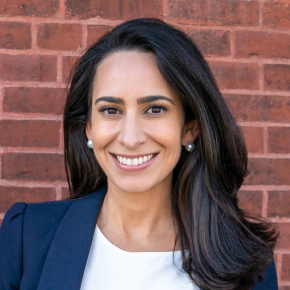
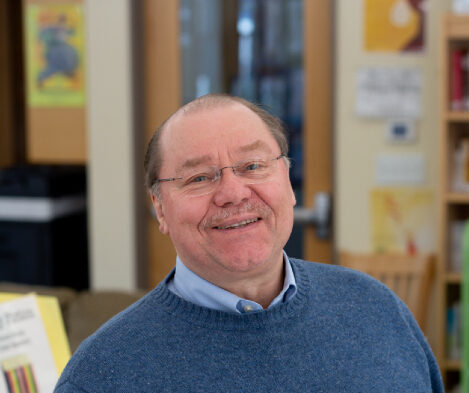
with Nicole Coman and William “Biff” Maier
What does a Montessori classroom actually look like—and what is really happening beneath the freedom, movement, and choice?
In this conversation, Biff and Nicole take on some of the most common questions and misconceptions they hear about Montessori. Is it a chaotic free-for-all? Is it overly strict? Do children get enough academics? Are Montessori students prepared for the “real world”—or for transitioning to a more traditional school? And does Montessori really mean no technology?
Rather than simply defending Montessori, they unpack the ideas behind the approach: freedom within limits, the role of the prepared environment, the teacher as guide, carefully sequenced materials, multi-age communities, authentic social interaction, and the importance of giving children meaningful responsibility for their own learning.
Together, they explore:
- Why freedom in a Montessori classroom does not mean a lack of structure
- How Montessori balances academic rigor with individual pace and choice
- Why the prepared environment and Montessori materials matter
- How children develop independence, problem-solving, and responsibility
- What social learning looks like in a multi-age classroom
- How Montessori schools approach technology while preserving the importance of human connection
For anyone who has ever wondered what Montessori actually is—or why a Montessori classroom looks so different from the schools they remember—this conversation offers a closer look at the philosophy behind what you see.
00:00:03:05 – 00:00:10:13
Biff
Welcome to Educating the Human Potential. The podcast about optimizing education for a better society.
00:00:10:16 – 00:00:12:03
Nicole
Through a montessori lens.
00:00:12:04 – 00:00:13:05
Biff
I’m Biff Maier
00:00:13:08 – 00:00:39:18
Nicole
And I’m Nicole Coman and in this episode, we are going to be talking about Montessori and all the questions and myths that might come along with Montessori. And given before that, you are resident expert with Montessori. I thought today we might quiz you a little bit and bring up some common myths about Montessori that people have. I might have mentioned this before, but at one point I did work in a montessori school.
00:00:39:23 – 00:00:57:05
Nicole
I was not a montessori, and so it was all new to me and I learned a lot while I was there. But I had friends and families and colleagues asked me a million questions about Montessori. And I think there’s a lot of controversy and, you know, opinions about it. I think people just don’t know enough about it.
00:00:57:05 – 00:01:06:02
Nicole
So I thought today, you know, we thought today might be a nice, episode to be able to kind of, you know, break some of those myths. What do you think, Beth?
00:01:06:03 – 00:01:34:01
Biff
Yeah, I think it’s a good idea. I think it’s very strange that this this educational method has been around for so long now. And there are some opinions or beliefs that people have about it that are, well, to me, mystifying that they because they, they seem to have been disc proven or, you know, yeah, they’ve been disproven so many times and yet they persist.
00:01:34:01 – 00:01:35:16
Biff
I’m not sure why.
00:01:35:18 – 00:01:54:15
Nicole
Yeah, I think people I think, I think Montessori is a common term, but I think just there’s a lot of questions behind it. And I think, you know, I think we can both agree that it’s an incredible philosophy for, for children. And so maybe we’ll just go through some of the questions that people have. How about that?
00:01:54:15 – 00:01:56:03
Biff
Yeah, that’s a good idea.
00:01:56:06 – 00:01:58:07
Nicole
Okay. Biff.
00:01:58:09 – 00:01:58:20
Biff
Yeah.
00:01:58:23 – 00:02:11:10
Nicole
Myth. Myth number one, Montessori is a chaotic free for all with with little to no teacher interaction or rules. What do you think about that?
00:02:11:12 – 00:02:40:20
Biff
I just love that one. And, And I can see why people believe it, actually, because I think most of us went to schools where students were lined up and the teacher was in the front, and the teacher told everybody what to do moment to moment. And that made it look very orderly, you know. So does the parade ground at a military exercise look quarterly, you know.
00:02:40:22 – 00:03:21:20
Biff
And so when I’m touring somebody at our school, if they’ve never seen a montessori classroom, what I usually tell them is that they should forget everything they know about schools and think about the real world. And I use a metaphor. My favorite metaphor is an architectural firm. So I tell people, when you look in this classroom, imagine that it is an architectural firm, but they’re young architects, because if you went to an architectural firm with adults and you walked in, you would see some people that were off by themselves drafting, just doing an assignment.
00:03:21:22 – 00:03:49:00
Biff
You would probably see a group of people with somebody introducing some new technology or some new project. You would see, some other people hanging around at the coffee machine talking about the Patriots game, something like that. You know, you’d see lots of different things, and some people would be just walking across the space on their way to do whatever they were going to do next.
00:03:49:02 – 00:04:17:04
Biff
And if you went in there, you would think, well, that’s normal. That’s the way a workspace looks. You know, there’s always movement and there and, you know, different people are doing different things at different times. But we don’t expect that in a classroom. So if you go if you go to a monastery classroom and you look for individuals instead of looking at the whole group and you look for that kind of order, then it starts to make sense.
00:04:17:04 – 00:04:46:09
Biff
In fact, it starts to make sense in a way that is more humane and more normal than lining people up and telling them what to do moment to moment. These classrooms, Montessori classrooms, are very carefully prepared environments. They have special materials, and those special materials have been arranged sequentially and categorically. The teachers are very, very careful and well trained in how to do that kind of thing.
00:04:46:11 – 00:05:00:14
Biff
And because of that, we can we show children what to do, and then they have freedom of movement and freedom of choice within those limits. Right?
00:05:00:16 – 00:05:10:12
Nicole
Freedom within limits. That’s one of the terms I learned while I was my days in Montessori. Yeah. Can you explain that a little bit more for our listeners? Freedom within limits.
00:05:10:13 – 00:05:41:01
Biff
Well, there are a number of limits. There are expectations stated by the adults. And then I think probably more importantly, there are agreements which I try to get teachers to call promises instead of agreements that the community as a whole makes to each other. You know, we have a conversation at a community meeting early in the year in classrooms, and they discuss, you know, what kind of environment do we want?
00:05:41:03 – 00:05:59:18
Biff
You know, what would make this a great place to be? And and then, you know, they brainstorm that and they come up with the things that they want that they would like to promise one another. They make a sort of some people call it a constitution. They write it up, everybody signs it, they put it on the wall.
00:05:59:23 – 00:06:27:13
Biff
And then when somebody does something that is unexpected, you know, given their promises, and you go to talk to them instead of saying, you’ve just broken the rule, you say, I’m sorry. I thought you promised that you weren’t gonna, you know, you weren’t going to do that. And in my experience, rules are sort of made to be broken and promises are made to be kept.
00:06:27:15 – 00:06:28:11
Biff
And I think.
00:06:28:12 – 00:06:29:15
Nicole
I love that.
00:06:29:16 – 00:06:49:07
Biff
Yeah. And I think, I think children, their word is important to them. So they don’t want to be somebody who breaks their promises. And so you can build a community around trust like that. And and when you do, then you can give kids freedom of choice and freedom of movement because they have integrity.
00:06:49:09 – 00:07:13:07
Nicole
We’ve spoken about this before, of having children and the students be part of the class rule creation or class promises, right. And so, you know, it’s nice because it gives them agency. It gives them, you know, they’ve made these promises. They were part of this decision making on these promises as a community. So, I really love that with the you promised.
00:07:13:10 – 00:07:15:16
Nicole
Say it again. You promised. Wait.
00:07:15:18 – 00:07:19:21
Biff
I say rules are made to be broken, but promises are made to be kept.
00:07:19:23 – 00:07:43:05
Nicole
That’s it. That’s the tagline for today. But. But related to myth number one. The other, you know, kind of comment I get from families is, Montessori teachers, just like kids, do whatever they want all day long. So, you know, I know we’re talking about freedom within limits, but how do you answer that question? You know, the teacher has no control over the kids.
00:07:43:05 – 00:07:46:15
Nicole
They’re just doing whatever they want for eight hours.
00:07:46:17 – 00:08:29:09
Biff
Six hours. Just not true. You know, I mean, there are there is a curriculum, and the job of the teacher is to motivate children and engage children in learning through that curriculum. And while doing that, they want to preserve freedom of choice and freedom of movement. And the reason that it’s so important to preserve freedom of movement and freedom of choice is what you said a minute ago, that more important than some of the learning really is the agency, you know, because in the end, you are your own person, right?
00:08:29:10 – 00:08:58:23
Biff
And so you have to make choices. And who you are depends on the quality of the choices that you make. And so Montessori teachers called themselves guides. I like to also call them coaches because teacher as a word in education of has this, this, this sort of authoritarian control feeling to it and guide or coach doesn’t.
00:08:58:23 – 00:09:18:03
Biff
And I think, yeah, one of the things I hear from the alums from my school when they come back and I ask them, how do you think you were different from the other kids that you met when you went to your next school, who did not go to a montessori school before they came to to that to where you are now?
00:09:18:05 – 00:09:45:07
Biff
They usually say, well, you know, the I knew that the teachers were on my side and most people thought we were on different sides. So if I was confused, I had no hesitation about asking for help. And some people thought that they should never do that. It’s a delicate balance, you know, because the the adults are guiding and at the same time they are building individuals and collective agency.
00:09:45:07 – 00:09:53:12
Biff
And those two things are, you know, they’re they’re a delicate balance. They both have to happen.
00:09:53:14 – 00:10:15:07
Nicole
And they do this from a very young age, even in the toddler classrooms and, and throughout and, and just, you know, an observation of kind of what I’m hearing today. And it just kind of clicked for me as there’s something really, the approach seems to be softer, in the way of teacher versus guide or rule versus promise.
00:10:15:09 – 00:10:26:03
Nicole
There seems to be just a little bit more of this. I don’t know it method, if you will, for, you know, for parents and for children.
00:10:26:08 – 00:10:56:12
Biff
Yeah, I think it has it really has to do with control. And most of us were raised in families and in schools where the adults felt like their job was to control children. Right. And that’s that’s not, you know, one of the things that we look for when we are observing new teachers is whether they’ve been able to shed their need to control individuals and the group, and whether they’re willing to trust kids.
00:10:56:14 – 00:11:04:21
Biff
And that’s really the magic of a successful Montessori teacher, I think is based on on trust and respect.
00:11:04:23 – 00:11:27:02
Nicole
Well, you answered that beautifully. We really are going to put you on the hot seat today. But, let’s can we move on to myth number two? Because I have quite a few. I’m, I feel like you and I can talk all day about myth number one. So I’ve heard this 1 in 2 different ways. So the first way I’ve heard this is Montessori is strict and it’s a very structured program.
00:11:27:07 – 00:11:32:00
Nicole
And then I’ve heard the opposite, which is monastery completely lacks structure.
00:11:32:01 – 00:11:33:06
Biff
Altogether before.
00:11:33:07 – 00:11:47:16
Nicole
Yeah. Yeah. Right. So, I’m, I imagine you get parents in during your tours that kind of have both of those opinions. So let’s talk first about the strict structured, opinion of people about Montessori.
00:11:47:18 – 00:12:17:22
Biff
Well, I think that comes from some observations of teachers who are while they are trained as teachers, they’re also very controlling. And somehow, there are people who complete monetary training and they think that their job is to require very explicit ways of using every material, and that every material has to be used in a very strict sequence and, you know, and so on.
00:12:18:00 – 00:12:45:17
Biff
And there are those teachers out there. There are those teachers out there in, you know, in not just in monastery. There are, you know, they’re everywhere. And, but that’s not what Montessori had in mind, you know, and most Montessori classrooms are not like that. You know, they they do. They seek the kind of balance that I was talking about that puts kids that that really aims toward giving kids freedom of choice and agency.
00:12:45:20 – 00:13:11:04
Biff
So but it is interesting that there are people who believe that, they really they are looking at, an educational program for their child that will not be so controlling as, as they perceive Montessori to be that they think that it’s very, very strict. And then there are other people who think, yeah, I’m scared of Montessori because they let you do whatever you want.
00:13:11:09 – 00:13:41:04
Biff
And neither of those things is true. The job of the teacher, really, as I said, is to guide. And it’s to engage, to make, to help kids find something that they are fascinated by. And, you know, and I think, you know, I think that sort of suggests another, another thing which is that, you know, Montessori was a scientist first and a physician.
00:13:41:06 – 00:14:12:08
Biff
And so her, her, approach to, to education, I mean, she was in schools, frankly, because that’s where the children were. She was looking for children. She didn’t go to schools because she wanted to educate. She went to schools because she wanted to work with children. And when she started working with children, her her approach was to observe them scientifically because that was her training and then prescribed in the same way she would have as a physician.
00:14:12:09 – 00:14:51:12
Biff
And that included designing new materials that she thought would help them progress and that kind of thing. So, the method is built on, as we say, following the child. It’s built on watching children and taking your lead from what they show you that they want and need. And that’s pretty different from most schools where. Yeah, because most schools have a have a curriculum that is prescribed by somebody else, and your job is to move through that curriculum and then judge how well children do it.
00:14:51:13 – 00:14:52:17
Nicole
Have mastered it.
00:14:52:18 – 00:15:13:15
Biff
Yeah. And the monastery, the amount of Montessori teacher’s job really is to observe the kid and, and then prescribe activities and then change those activities, however you have to in order to make that individual child succeed.
00:15:13:17 – 00:15:32:15
Nicole
And in, you know what the design of the materials play a large part in that. Is that correct? In that they’re built in a sequence, and that’s why it is sort of it is structured because while it seems like it might not be, but you know what I’ve learned and this might be a myth. So tell me if I’m wrong.
00:15:32:17 – 00:15:49:03
Nicole
But Montessori created the materials in kind of a sequence so that, there was some structure to it, but there was, room for other lessons to be taught with those materials as well. Do I have that right, or am I getting the wrong?
00:15:49:06 – 00:16:16:15
Biff
Yeah, I think so. I mean, one of the key things that she talked about is that, the best way to learn something is to have one isolated challenge. And so the materials are designed to isolate one particular challenge so that you can you can you can have a cumulative series of activities that build your skills, but you’re not working on multiple things at the same time.
00:16:16:20 – 00:16:42:00
Biff
And that’s why the sequence is important. Because if you skip steps, you run the risk of trying to practice something that you haven’t learned yet. So, so that makes it quite structured and ordered in a way. But if you observe a child and you see that they don’t need a step, then you skip that step. And there are there is a multiplicity of materials.
00:16:42:00 – 00:17:24:14
Biff
Many of them overlap in their in their aims and their goals. And so there are lots of different ways for kids to get the same skills in the same concepts, so that you can you can really, personalize the work that kids are doing. The one other thing that I, that I think is, is interesting about Montessori structure, Montessori got from somebody that she read a lot from was a Eduard Sagan, and Sagan was working with disabled children, learning disabled children.
00:17:24:16 – 00:17:56:18
Biff
And he was teaching vocabulary. He did other things. But when he taught vocabulary, he, he developed this system where he would introduce a term and then he would he would set he would repeat the term with some other term to see if a child recognized what he had said. And then after that, when he was sure that the child recognized that he would then ask for to see if the kid would could recall it.
00:17:56:22 – 00:18:19:08
Biff
So, for example, if I have a red pencil and a blue pencil and I say this is a red pencil and this is a blue pencil, that’s the first step. The second step would be, can you show me which one is the blue pencil? So I’m not asking you to remember, but I’m asking you to recall it. Right.
00:18:19:12 – 00:18:56:01
Biff
Recognize that when you hear it again. And then if it’s if you do that and there’s no, no hesitation, then my next step might be to show you a pencil and say, what would you call this one. Right. But those three steps in, in Sagan’s view, were critically distinct. And if you think about your experience as a as a learner in school, most of the teachers I had tried to teach by asking me questions to which they knew the answer, and most of us did not.
00:18:56:03 – 00:19:15:19
Biff
You know, they would. They would introduce something by saying, what do you think this is? And a few people would know, and some people were bold enough to call on me, call on me. And there were other people that were, like hiding under their desk or putting, you know, not looking at the teacher, hoping they won’t notice or whatever.
00:19:15:20 – 00:19:39:15
Biff
You know, the most important thing about that is that it’s not safe. It doesn’t feel safe. It feels very competitive. And to most most people, just not safe. And so the Sagan method, which Montessori picked up, is that you you build on success so you don’t ask questions to which you already know the answer. You just give the information freely.
00:19:39:18 – 00:19:56:12
Biff
And then after you’ve given the information, then you can see if they if they can recognize it when they hear it again. And then finally you can quiz them. But you don’t. You don’t do any. You don’t take the next step unless you’re really sure they’re going to succeed.
00:19:56:13 – 00:20:20:17
Nicole
And it’s individualized too, because I was just picturing right now, you know, my, I don’t know, my fourth grade class. And I sat there while the teacher was teaching us about, planets. And all of us sat there and listened to her lecture for about an hour. And she went over a lot of material. Maybe I was listening, maybe I wasn’t.
00:20:20:17 – 00:20:38:19
Nicole
Maybe the person next to me was listening. Maybe they weren’t. What I love about the Montessori method is if there was a lesson on planets, for example, maybe, you know, 1 or 2 children might be, you know, maybe they’ll receive a lesson. 1 or 2 or 3 or 5, I don’t know, children will receive that lesson while the others are working on something.
00:20:38:22 – 00:21:00:01
Nicole
But the teacher has the the ability to focus on those kids that are part of that lesson and then can watch to see what they do next with the materials to demonstrate if they understood it, rather than, you know, 18 to 21 kids sitting in a classroom just listening to miss whoever speak about the planets. And then hopefully somebody retains something.
00:21:00:04 – 00:21:10:01
Nicole
So there’s a lot more that the teacher can gather about how much the student took away from the lesson in a montessori environment because of the way it’s designed.
00:21:10:05 – 00:21:33:08
Biff
Yeah. And the motivation in the classroom you’re describing with 20 something kids, the only reason you would remember it is one possibility is that you are just fascinated with astronomy. Sure. But there’s the other. The other people that remember it, remember it because they’re scared that they’re going to be tested. And they need they need to, you know, they need to show that they, you know, aren’t stupid.
00:21:33:13 – 00:21:34:16
Nicole
And some don’t care.
00:21:34:20 – 00:21:47:23
Biff
And right and some don’t care. But I think, you know, and I don’t mean to say that no teachers know how to enthuse children. Of course they do. Oh, sure. You know, but, just.
00:21:48:00 – 00:21:52:23
Nicole
As a contrast, though, you know, for our listeners, just as a contrast between the two different methods.
00:21:53:01 – 00:22:12:09
Biff
Yeah. And I think the, the key here is the is the intention to always make learning feel safe, you know, because that’s that’s not the experience that I had as a child. And I would like I want to make sure that the kids that are in schools where I’m working feel safe.
00:22:12:11 – 00:22:17:14
Nicole
Absolutely. Okay, we’re on to myth number three. Are you ready?
00:22:17:16 – 00:22:18:17
Biff
I’m ready.
00:22:18:20 – 00:22:25:23
Nicole
Montessori schools do not emphasize academic skills. What do you think about that?
00:22:26:01 – 00:22:59:07
Biff
Well, I think I think academic schools. I think academic skills are the means by which we accomplish the other things that, frankly, I think make a bigger difference in, in kids lives long term. But they are the means, you know, you come to school to do the work of learning academically. And so, Montessori schools are actually quite rigorous in teaching, reading and teaching writing and teaching math and teaching science.
00:22:59:09 – 00:23:33:04
Biff
Often considered quite precocious, in fact, you know, it was interesting that during the there, there have always been reading wars and there’s been a lot of talk recently, in the last few years about, effective and ineffective ways of teaching reading. And, you know, as it turns out, what we’ve been doing in Montessori schools sits pretty, pretty well with the science of reading that people are coming up, you know, the people are writing about as a revolutionary approach.
00:23:33:09 – 00:23:35:23
Biff
It’s pretty much what we’ve been doing all along.
00:23:36:05 – 00:24:08:07
Nicole
Yeah, let’s talk about that a little bit, because that happens to be an area of interest for for me. I’m in my private practice. I happen to see a lot of students who maybe are presenting with reading disorders or dyslexia. And oftentimes what we recommend for those students that have that learning profile is multisensory learning. So hands on, the use of manipulating manipulatives, very structured, systematic way of teaching.
00:24:08:10 – 00:24:19:13
Nicole
And maybe you could speak to our listeners a little bit about kind of the way Montessori presents reading at a very young age, and how that kind of aligns with what I was just talking about.
00:24:19:15 – 00:24:59:13
Biff
Yeah. I think those fundamentals, are the basis of the early childhood experience in schools. You know, I mean, we, we work on, on letters in a multi-sensory way. Children learn to form the letters as they learn the sounds that letters make and they practice, they we really emphasize the sounds that the that those letters are making so that, then they start to compose words that they know inside their head, by putting those sounds together and.
00:24:59:15 – 00:25:01:07
Nicole
Using manipulative.
00:25:01:09 – 00:25:31:04
Biff
Using the it’s called the movable alphabet. So it’s similar, it’s similar to magnetic letters that you might have on your refrigerator, except that they’re in a, in a box in alphabetical order. And, and children write things on rugs and they practice, they practice phonics on those rugs with those movable alphabets, and they isolate particular sounds and practice, finding a variety of words that use that same sound.
00:25:31:04 – 00:26:00:08
Biff
So it’s, you know, it’s essentially a drill on, on phonics. And then before they do that, of course, I think one of the things we have been emphasizing more in Montessori schools more recently is phonological awareness, because I think, kids years ago used to do an awful lot of sound games. They played games outside that had sing songy rhymes.
00:26:00:10 – 00:26:39:14
Biff
They read a lot of books with their parents that had, that had a lot of rhyming and, and, and word wordplay in them. And that’s just not happening as much as it used to happen. And so, you know, that gap, I think, has been filled when kids are in early childhood programs. That’s that has been a bit of a challenge, I think, in Montessori schools, because we don’t do as much group work and a lot of that kind of reading together and doing poetry together and doing that kind of phonological work is often done in groups.
00:26:39:14 – 00:26:51:21
Biff
So I think that’s changed a bit. The way Montessori schools use circles and use time together, they are emphasizing phonological games more than they used to.
00:26:51:23 – 00:27:05:06
Nicole
And that’s a really good point that we haven’t talked about yet. Is is Montessori classrooms aren’t always individualized or small group work. There are times that the entire class comes together to do activities. Isn’t that correct?
00:27:05:10 – 00:27:31:19
Biff
Yeah. I mean, I think in early childhood programs, those are pretty rare. They they generally meet as a community daily. And that is for sharing and for, for being a community. But most of the time in the classroom is spent with kids working independently, either either on their own or with a friend or with a couple of friends.
00:27:31:20 – 00:27:54:06
Biff
You know, they they choose with whom they’re going to work and where they’re going to work and how they’re going to work. But it’s mostly fairly freeform that way. The the exception to that would be, you know, the group would go on nature walks together. They would they would get together to sing together, you know, do things like that.
00:27:54:07 – 00:28:23:13
Biff
Whereas once they get to an elementary classroom, there’s much more small group and some large group work there. There are some academic lessons that are given to the whole group. A lot of social emotional learning happens with the whole group together first, and and they continue to work on building community, by having class meetings where they make democratic decisions and things like that.
00:28:23:15 – 00:28:53:15
Nicole
And, and before I move on to myth number four, I wanted to go back to something that I think is fascinating about the philosophy, and related to myth number three about the academic skills is, you mentioned before about sometimes, you know, these Montessori classrooms are even would be, you know, considered precocious because of the amount of, lessons that can be given, but also how far you can get in those lessons and in just one setting.
00:28:53:18 – 00:29:26:06
Nicole
And what I love to talk to people about when they’re interested in. Oh, my son is really bored in his traditional classroom. He’s already reading and everyone else is learning how to read, and it’s just he’s he. Now he’s getting into trouble because he’s just sitting there. And what, you know, and what I’d love for you to talk to our listeners about is a classroom is designed that if a student is beyond the reading lesson that you were just speaking about with the movable alphabet, they can move on to the next piece and they don’t have to wait for the rest of the class.
00:29:26:08 – 00:29:47:20
Nicole
So the teacher, the guide, watches to see if they mastered a particular lesson, and then they introduce something else that’s, you know, the next step in it. So your child is always engaged, always challenged, always working to their capacity. And I don’t think I don’t think parents and, and you know, potentially other educators know that.
00:29:47:22 – 00:30:12:10
Biff
Yeah. And it works the other way too. There are some kids that that are are not performing at a level that their peers are. And I think that that just as the kids that are performing at a higher level don’t feel like geniuses, I think the kids that are a little that you know, learning more slowly don’t feel like idiots.
00:30:12:11 – 00:30:49:13
Biff
You know, they because everybody I think the, the culture of the room is that we’re all different. You know, we have different strengths. And so I think that it protects kids self-esteem a lot because they know they don’t expect that any two people would necessarily be doing the same thing at the same time. Yeah. There was one other thing about the I mean, I think it’s worth saying that there has been more, more research done on Montessori in recent years than ever before.
00:30:49:15 – 00:31:02:10
Biff
And so far that research is showing that actually Montessori kids are performing better in many academic ways than kids in conventional schools.
00:31:02:12 – 00:31:03:09
Nicole
Same age.
00:31:03:11 – 00:31:28:23
Biff
Peers, same age. Yeah. I mean, it’s a hard thing to do because it’s hard to get compare, you know, legitimate comparative populations. But there are places where, say, you have 100 kids that are on a list to go to a montessori school, and especially in the public schools, and only 50 can get in. So that population is more or less the same, those hundred kids.
00:31:29:01 – 00:31:59:01
Biff
So if 50 of them don’t get in and you follow both the 50 that do go and the 50 that don’t go, then you can compare how they do after 3 or 5 years. And that’s what that’s what Angelina Lillard, who is a professor at the University of Virginia of Maryland or Virginia? No, University of Virginia. What she that’s what she’s done in, especially in Milwaukee, but in other places, too.
00:31:59:03 – 00:32:10:17
Biff
And they’ve compared that they’ve they’ve been doing a longitudinal study in order to compare performance in social emotional skills and also in academic skills.
00:32:10:19 – 00:32:19:23
Nicole
Fun fact. All right, let’s move on to our next myth. Montessori doesn’t prepare students for the real world.
00:32:20:01 – 00:32:49:18
Biff
I love that. You know, I actually remember early in my career I went to a conference and David Elkind was speaking and you know he, he wrote the Hurried child, very famous psychologist who was working at Tufts University. And somebody asked him that question. They said, well, Montessori is is nice and it’s comforting and it’s, it’s, it’s very protective.
00:32:49:23 – 00:33:22:09
Biff
But don’t you think that, if you coddle children when they’re young, they won’t be ready for the real world. And he said, well, you know, if it were true that, the best preparation for hardship is hardship, then refugee children would be emotionally and psychologically very healthy because they certainly have endured hardship. Interesting. And he said it’s not true.
00:33:22:14 – 00:33:58:13
Biff
The best preparation for challenge and for hardship is feeling safe and being adequately, prepared and, and and to have the things that you need. And so that’s the way I think about Montessori schools. I think, you know, that that we, we give children what I think really is the real world. Actually. I have an alum come back to talk to parents two years ago, and we one of the parents asked him that question, and he he said, I have to think about that for a minute.
00:33:58:17 – 00:34:26:11
Biff
And then he came back. He said, I want to go back to that question you asked. And he said, you know, in some ways I would say that, it’s true that a montessori community is not the real world, but it’s the way the real world should be, which is really sweet. And then and then. But I think the other way to look at it is that what do you need to succeed in the real world?
00:34:26:13 – 00:34:50:07
Biff
You need to be independent. You need to be confident in yourself. You need to be. You need to be able to think critically. You need to be able to solve problems. And if you can do those things, you’re going to be fine in the real world, right? And that’s what kids do every day, because that that’s the way a real community operates.
00:34:50:09 – 00:35:22:09
Biff
The real world is not lined up with somebody managing what happens every day. You’re you there. There are there are transitions, there’s ambiguity. There’s all sorts of stuff that you have to manage. And when you give kids freedom to move and freedom to choose, they experience the consequences of their own decisions. They reflect on the consequences of their own decisions, and as a result, they become better prepared for the real world.
00:35:22:11 – 00:35:46:01
Nicole
So I’m going to with that, I’m going to emerge another myth that is on my list, but it’s related to this one. So the original question was, that Montessori doesn’t prepare students for the real world, but what about the question you get and I’ve heard people ask you this question before, do you think Montessori students are ill prepared for traditional school?
00:35:46:05 – 00:36:11:01
Nicole
Let’s say. So, for example, they go to Montessori from preschool till fifth grade, and then in middle school they decide to go to a traditional school because maybe your community doesn’t offer middle school. Montessori. What do you say to parents when they say, oh, I can’t possibly send my, my, my child to Montessori for so many years because then I’m going to send them to the regular middle school and they’re just going to not know what’s going on.
00:36:11:03 – 00:36:38:20
Biff
Yeah, I mean, children will have to make it and make, they’ll have to adapt to a new environment. But actually, kids are pretty resilient and they are pretty adaptable. There are easier times to do that adapting, and there are harder times to do that adapting. We know, in Montessori schools are set up in six year segments because it’s the psychology that we work with.
00:36:38:21 – 00:37:12:05
Biff
Montessori described planes of development. So she said that when kids get to about age six, which is first grade, their minds shift, you know, and they become less concrete, more imaginative. Well, that’s been borne out by every psychologist that’s written about developmental psychology. So shifting when they enter a conventional school in first grade is a better time to shift than kindergarten, when they’re just cutting their teeth on that.
00:37:12:07 – 00:38:00:16
Biff
By the same token, if you if you shift before middle school, then you’ve completed that phase of the focus being on your imagination and on the beginnings of abstract thinking. And in middle school, the focus is much more on individual personal development. And so while I think it’s crazy to go to a large somewhat in, you know, in human environment that a lot of middle schools are when you have the option of being in a safe, smaller community where you can do that kind of reflection, with people that you know and trust.
00:38:00:18 – 00:38:31:02
Biff
I also think that it makes sense logically for kids to make that shift, and they probably can make that shift easier then than they would when a lot of kids do make the shift, which is at the end of fifth grade. And I think, you know, when you’re when you’re at the end of one of those six year planes, you think you’re where you’re going, but you’re actually just beginning to practice what it means to be at the next phase.
00:38:31:04 – 00:38:57:01
Biff
You know, sixth graders are not yet fully adolescents. They’re practicing adolescents. So that’s why they’re called tweens, you know? And, and the same thing is true of kindergartners. Kindergartners think they’re old enough to, to be in an elementary community. And some of them feel like, you know, they’re too cool for school now. But it’s good to have leadership.
00:38:57:03 – 00:39:24:19
Biff
Which brings us to the to the other thing that we really haven’t mentioned, and that is that all of these Montessori classrooms are multi-agent. Oh, yeah. And and that’s a really important part of this program, is that when you build a community, you build routines and you build expectations, you build culture. And every year two thirds of that community returns the next year.
00:39:24:21 – 00:40:04:02
Biff
And the the kids that were second graders are coming back as the eldest in the room, with all the expectations that they are now going to be the leaders. The same thing is true of the fifth graders who are coming into leadership in the upper elementary classroom. The same thing is true of the kindergartners who are coming into leadership in their children’s house classroom and that, the giving the leadership to the oldest students also really helps the teacher, who is trying to shed that rule of that role of controller.
00:40:04:06 – 00:40:11:10
Biff
Right. Because they can lean on the elder children to set the tone and to carry the culture.
00:40:11:12 – 00:40:39:14
Nicole
And it also gives the gives a student an opportunity to, earn that spot. Right. So they’ve been the youngest and maybe they were kind of midway through. And now they’re the eldest and the leaders of the classroom, and they’ve seen others kind of cycle through in that role. And and that’s a really important and exciting role because you’re able to model kind of, you know, the way the classroom operates, you can maybe teach some lessons that you’ve learned before.
00:40:39:16 – 00:40:49:04
Nicole
And that’s something I’ve observed, which is kind of a nice thing to do, because sometimes younger students really, I mean, not sometimes, oftentimes younger students look up to the older students.
00:40:49:05 – 00:40:50:00
Biff
They always.
00:40:50:02 – 00:41:20:03
Nicole
Right. And so there’s that opportunity there. Yeah. Before we move on to the next myth, I just want to I want to ask you, so we talked about being ill prepared for traditional school. But how do you answer that question for academics? Because that’s the big piece, is when they say, oh, gosh. Well, he, you know, he’s been working with materials for the last, you know, six years of his, his educational career, and now he’s just going to transition into that more traditional route, you know, environment.
00:41:20:07 – 00:41:22:06
Nicole
How do those children fare?
00:41:22:10 – 00:41:56:05
Biff
That’s a fair question. And I and I think that, you know, that that’s a big part of, the challenge when kids have to adapt to a new culture, you know, if they, if they, the later they do it, the less dependent they are on manipulatives, right? But I think if you haven’t had enough practice with the manipulatives, then when you are asked to do everything abstractly, you’re likely going to be kind of starting over.
00:41:56:11 – 00:41:57:13
Nicole
Because that’s a good point.
00:41:57:16 – 00:42:24:07
Biff
You have to be able to connect what you’ve been doing with your hands to what you’re being asked to do with your head, and at some point, those come together and things really make sense. But if you’re forced to do it prematurely, that’s harder. I mean, kids do it. I mean, I we’ve certainly had kids who have moved away or for whatever reason they’ve had they’ve gone to conventional schools.
00:42:24:12 – 00:42:37:14
Biff
When they are in there, you know, they’ve just finished first grade or second grade and they, you know, there’s no Montessori school where they’re going. And, I mean, they make the shift and.
00:42:37:16 – 00:42:38:06
Nicole
They’ve done.
00:42:38:06 – 00:42:40:03
Biff
Great to be fine. Yeah, yeah.
00:42:40:04 – 00:43:09:10
Nicole
I mean, I encourage our listeners to listen to our episode where we’ve had former Montessori students that transitioned to more traditional schooling and private schooling. So not Montessori for high school. And that was a great episode because we got to talk to those two students about how that shift work for them. And, you know, I think oftentimes and what I’ve learned, because I’ve asked this question myself before, I even enrolled my student and my my students, my children in Montessori when they were young is, you know, is this going?
00:43:09:13 – 00:43:19:03
Nicole
Are they going to be academically ready when I do transition them, which I did, and they were. And in fact, I’d like to say they were a little bit more advanced, when they did transition.
00:43:19:03 – 00:43:36:15
Biff
So yeah. And, and more importantly, if they know the teacher is on their side, then anything that is unfamiliar they can ask about, you know, if you feel like you if you feel shame for not understanding something, that’s much harder.
00:43:36:17 – 00:43:47:12
Nicole
Absolutely. All right. Myth number five I like this one. Montessori schools are elitist and expensive.
00:43:47:14 – 00:44:20:15
Biff
Well, I think that, that myth comes from when Montessori education was introduced to the United States, you know, first at the turn of the century and then again in the 60s. And, when it was introduced, it it was introduced in settings where people were paying tuition and, and they, they. So those early adopters, were in private schools.
00:44:20:17 – 00:44:54:03
Biff
And as a result, as a result, it was kind of an exclusive experience. But the founder of the American Montessori Society, Nancy Rambo, was committed to Montessori being in the public sector, not in the private sector exclusively. And she worked for much of her career as a montessori and to get Montessori adopted in public schools. And there are now 600 public schools in the United States that are Montessori schools.
00:44:54:06 – 00:45:13:03
Biff
That’s a drop in the bucket compared to what I think it should be, but it’s still 600 schools. Some of them are district schools, some of their magnet schools, some of them are charter schools. But there are Montessori programs that are available to people that, in which there is no.
00:45:13:04 – 00:45:14:05
Nicole
No tuition.
00:45:14:07 – 00:45:41:04
Biff
Most independent schools also offer financial aid for families that can’t can’t otherwise afford it. And they do that not just out of largesse. They do that because they want to give children a realistic experience of the world. And if you don’t have a diverse, community in your school, then you’re you’re not really giving them a sense of the real world.
00:45:41:04 – 00:45:51:02
Biff
So I know that’s a high priority, for example, in my school is making sure that we have a diverse student population or family population.
00:45:51:04 – 00:46:16:22
Nicole
Okay. We have two more. The next myth is Montessori schools do not promote social play or focus on social skills. What they really only promote is individual learning. So I know that we’ve talked a little bit already about it’s not always individual lessons or there’s sometimes small group or you’re working with a friend, but talk a little bit about the social emotional aspect.
00:46:16:22 – 00:46:25:18
Nicole
I know we’ve kind of thrown that in, you know, our conversation today, but that is a big concern or question of people that don’t know much about Montessori.
00:46:25:19 – 00:46:52:17
Biff
Yeah, I think it’s primarily historically been a concern in at the preschool level. And I think it comes from a pedagogy in many conventional preschools in which the adults manage the room. And so you have a whole bunch of four year olds in a room together, and a teacher plans activities, and they all do it together. And they believe that that’s how children learn to socialize.
00:46:52:22 – 00:47:33:04
Biff
But I don’t think putting children together necessarily teaches them social skills. You know, the best way to learn social skills is with, authentic interactions. And those happen more spontaneously than when they are managed and controlled by a teacher in a large group. So, the multi age classroom is a is a really important part of how socialization takes place for young children, because they are watching the way older children socialize and the teachers, are guiding them in how they socialize.
00:47:33:05 – 00:48:02:10
Biff
You know, they they do intrude to teach children how to resolve conflicts. They intrude if they see children, you know, not keeping their promises or being as they as children call it bossy. You know, they the teachers will intrude in order to help children develop those social skills. That’s really hard to do if you’re trying to manage 20 something kids all at once.
00:48:02:12 – 00:48:33:20
Biff
And so, so and, and, and I think it’s less of an issue for people when they compare Montessori elementary schools to conventional elementary schools, because elementary schools do a whole lot of small group work, collaborative projects. And, you know, so it’s not it’s not that different from a school. That is I mean, I guess the main difference is it still has a multi age group.
00:48:34:00 – 00:49:11:05
Biff
So you still have elders that are guiding things. So I yeah, I, I, I feel like Montessori children are in a real sense more skilled socially and pro socially than most children are. I mean, I certainly see that when I take kids to a museum. Okay. And when I compare, field trips from schools where teachers are screaming at their groups and trying to get them to line up and do all those things, we don’t generally line up.
00:49:11:07 – 00:49:17:07
Biff
We talk about what we’re going to do before we get there. The kids are in small groups. They go.
00:49:17:09 – 00:49:46:06
Nicole
You discuss the promises of the field trip that everyone comes up with. But you know what? Also, you know, an observation I’ve had before also is and again, I’m just using traditional traditional schooling as a comparison for just our listeners to be able to visualize this. But, in a montessori classroom, there’s movement. And with movement throughout the classroom, there are oftentimes interactions and interactions aren’t frowned upon for guides.
00:49:46:07 – 00:50:15:05
Nicole
Certainly if you’re distracting or loud or, you know, there’s some, you know, redirection there, but just by the kind of natural flow of the classroom and movement throughout the classroom, there’s an opportunity for interaction or opportunity for modeling or showing, you know, demonstrating a lesson rather, in comparison to sitting in your desk. You’re not allowed to talk to each other, certainly when the teacher is delivering this lesson.
00:50:15:05 – 00:50:27:11
Nicole
And so, I think that offers some, you know, chance for socialization, you know, throughout the school day, beyond the recess and beyond, you know, the social emotional curriculum. And, you know, so I kind of love that piece as well.
00:50:27:12 – 00:50:59:03
Biff
Yeah. I mean, a lot of classrooms don’t have everybody lined up with just the teacher in the front anymore. But a lot of classrooms do have learning centers. And you’re expected to to, you know, you have a sign times when you’re expected to be at a learning center and you may be in a smaller group, but you’re still in a, in a largely managed and controlled scenario, which is pretty different from when you choose something off the shelf with a couple of friends and you go do it together.
00:50:59:05 – 00:51:20:14
Nicole
I encourage anyone that might be curious about Montessori to go in and observe a classroom, because as much as you know, Biff and I are discussing, you know, these myths and you know, you know, giving you this visualization of kind of what it looks like. It’s really beautiful to see, you know, in real time. So I definitely recommend you do that to your local Montessori class.
00:51:20:18 – 00:51:46:01
Biff
Yeah. If you want to see a montessori school, usually what you can do is, is call a front office and say, I’m curious about, about the way a montessori school works. Could I come in and watch? And we get lots of observers? You know, a lot of people are curious about this different sort of, method. And so kids are used to having people sit in their classroom and watch.
00:51:46:01 – 00:52:17:14
Biff
We give we give guidelines to observers asking them not to not to, you know, we usually ask them to sit down so they’re at the same level as the children and to deflect questions. If somebody comes up and says, who, dad are you or whose mom are you? You usually just say, I’m just watching. And, and then, you know, the kids will move on and, so that you don’t you don’t want to you don’t want to observe your impact on the room.
00:52:17:14 – 00:52:20:11
Biff
You want to observe the room as if you weren’t there. Yeah.
00:52:20:11 – 00:52:22:21
Nicole
So it’s an authentic observation.
00:52:23:00 – 00:52:25:02
Biff
Yeah. As much as possible.
00:52:25:04 – 00:52:39:05
Nicole
Okay. I have one more for you, and it’s extra credit. Montessori means no technology. What do you think about that?
00:52:39:07 – 00:52:44:18
Biff
I might mean no technology in some schools. It’s not in any schools that I’ve seen.
00:52:44:23 – 00:52:57:19
Nicole
Well, this is a progressive movement for Montessori. So, to be fair, for the people that have that question. Yeah. I think this is a newer thing. I mean, it’s newer for all of us as technology is evolving. But what are your thoughts about that?
00:52:57:20 – 00:53:38:15
Biff
I mean, I think most Montessori teachers that I know, try to keep kids off cell phones until, you know, maybe at least eighth grade, maybe even beyond, because of the, you know, the, the obsession with that screen. But most schools that I know of do use computers and iPads and, you know, in order to access information, in order to empower kids to present their learning, to share their learning with each other.
00:53:38:17 – 00:54:12:17
Biff
So I think technology in Montessori schools has always, I think, been considered a tool. And it’s a tool for for publishing. It’s a, it’s a, a tool for presenting the same way it is for you and me. And, what it what is true, I think, is that most Montessori schools do not go down the road of a lot of educational technology in which the, the, the computer becomes the teacher.
00:54:12:21 – 00:54:13:17
Nicole
Oh.
00:54:13:19 – 00:54:42:11
Biff
You know, so, artificial intelligence informed curricula are not that’s not common in most Montessori schools. I, I, you know, I’ve heard lots of arguments that wouldn’t I be perfect for a montessori school because it can respond to the learner and it can, you know, it can see what kids are capable of and then give them the next step in the same way that a teacher is trying to do that.
00:54:42:15 – 00:55:03:12
Biff
And while that may be somewhat true, it doesn’t it. It can’t be a guide, you know, and it’s, it’s the, the personal connection and social and emotional connection that adults have with kids that I think make, make a really long term difference.
00:55:03:13 – 00:55:20:15
Nicole
Absolutely. Absolutely. I think it’s always a balance. But, you know, just for our listeners, it is a newer kind of movement. And I think Montessori philosophy, Montessori schools are keeping up with the times in a way that feels, authentic to keep the philosophy intact. So.
00:55:20:16 – 00:56:03:19
Biff
Yeah, I’ll give you an example. Our middle schoolers just finished distributing to our community the podcasts that they have, that they have done. Oh, they’ve gone around and interviewed, members of the school community about historic events that happened before they were alive. So they were curious. They’d read stuff about them, and then they tried to they wanted to find out people what people thought, who had lived through these events, like the I Have a Dream speech or the whatever, and they would ask you questions and then they assembled, yeah, a podcast which included their own research and also the quotes from the people they had talked to.
00:56:03:22 – 00:56:05:01
Nicole
So great idea.
00:56:05:03 – 00:56:15:01
Biff
Yeah. So they were using iPads to record the information and to mix and, and, and create the presentations.
00:56:15:05 – 00:56:38:08
Nicole
It sounds like we might have some competition with our podcast. All right. Well, this was an incredible discussion, and I think I’d love to encourage our listeners, if you have any other questions or you think you you have concerns or ideas about Montessori that you need, you know, more information about or to have this myth be debunked, they should reach out to us.
00:56:38:09 – 00:56:41:23
Biff
Absolutely. I would love to work on debunking.
00:56:42:01 – 00:56:45:01
Nicole
Debunking, debunking. Montessori
00:56:45:02 – 00:57:01:03
Biff
I’m actually also interested in hearing the kinds of things that people here because, you know, I’m this is the water I swim in. So I often don’t hear the controversies and don’t hear the the questions that people have. So I’m wide open to it.
00:57:01:08 – 00:57:04:00
Nicole
And with that, I look forward to our next conversation.
00:57:04:01 – 00:57:10:22
Biff
Me too. Well, I’m loving these conversations, and I’m hoping that you all are enjoying these as much as we are.
00:57:11:00 – 00:57:17:12
Nicole
And if so, please reach out to us. Follow the show on whatever streaming service you use and leave us a comment.
00:57:17:12 – 00:57:18:05
Biff
We want to hear.
00:57:18:05 – 00:57:19:15
Nicole
From you. Yeah, we love the feedback.
00:57:19:16 – 00:57:22:14
Biff
And I’m looking forward to the next conversation together.
00:57:22:15 – 00:57:31:15
Nicole
As am I.
00:57:31:17 – 00:57:41:00
Biff
This podcast is produced by AMS, the American Montessori Society. However, the views that are expressed belong to us and to those of our guests.
LISTEN ON:






SHARE EPISODE:

Meet Our Hosts